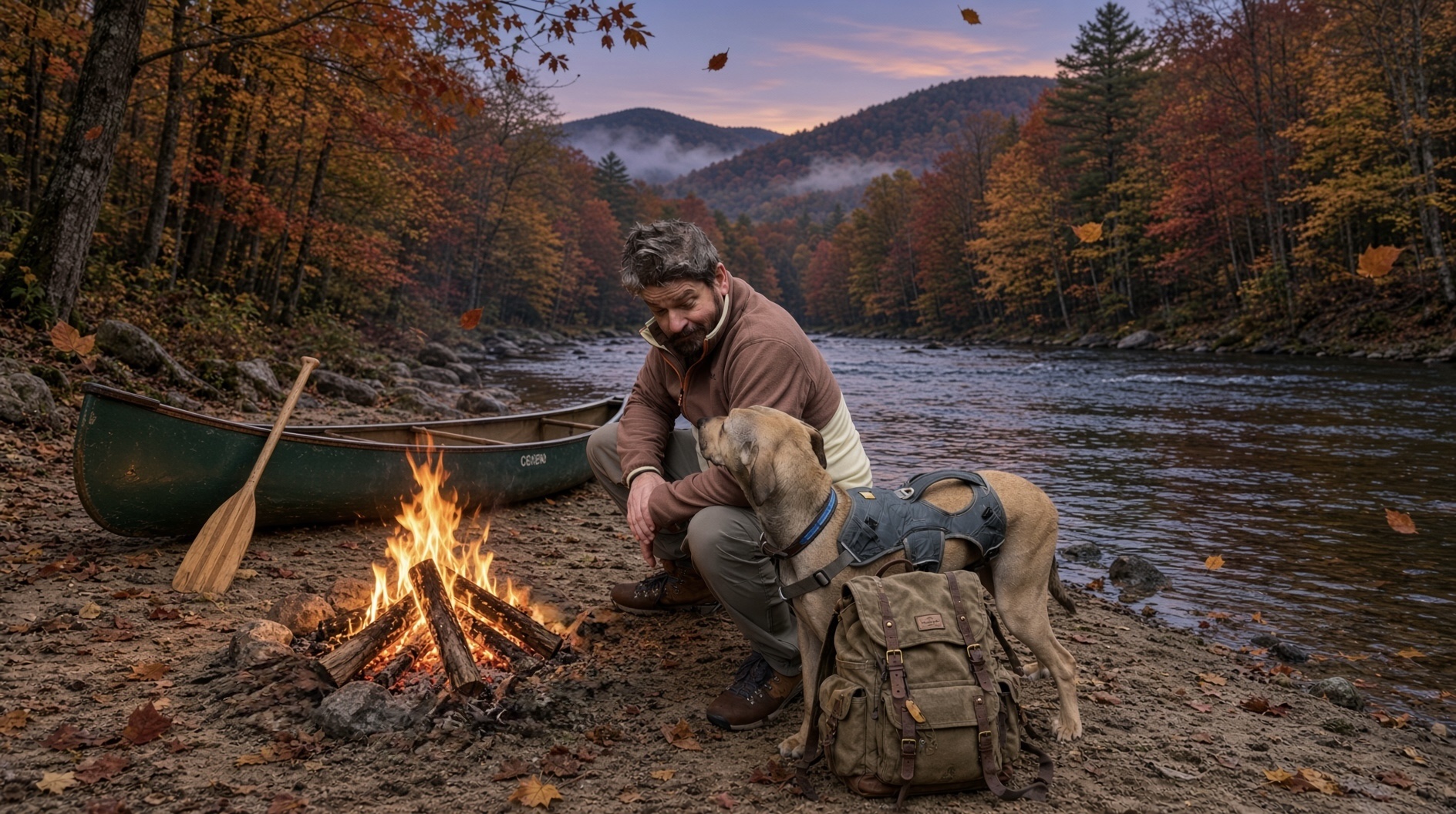

Man in a three-piece suit breaks down during a war or social unrest and disappears into the woods to survive for a few days off grid with only a small pack of gear.
This is currently an upcoming episode bouncing around in my head.
Ultimate Backcountry Sleep System: All-Season Comfort & Versatility
In the winter of 1972, a television crew climbed the high ground of the Yorkshire Pennines to film what they believed would be a story about rural decline. Instead, they found Hannah Hauxwell.
She lived alone at Low Birk Hatt Farm, a stone farmhouse exposed to wind and long winters. There was no electricity, no running water, and no modern heating. Light came from daylight and a single coal fire. Water had to be carried by bucket from a distant spring. In cold weather, it froze indoors.
Hannah was in her mid-forties when the cameras arrived. To her, nothing about her life seemed unusual.
Born in 1926, she had been raised on the same 80-acre hill farm. As a child, she rose before dawn to help with cattle and sheep. Winters were harsh, and the work never stopped. At first, she lived with her parents and an uncle. One by one, they died. By 1958, after her mother’s death, Hannah was alone.
She continued running the farm.
The income was small. Hill farming in the Pennines offered little profit even in good years. ...
Bathing in rivers was a normal part of medieval life, though it would horrify a modern health officer. Rivers were everywhere, free, and useful, so people washed themselves, their clothes, and sometimes their animals in the same stretch of water.
In summer, bathing was practical. Labourers came off the fields filthy, overheated, and sore, and a river was the quickest way to cool down. Children swam, splashed, and learned early where the deep holes and strong currents were. In towns, designated bathing spots sometimes existed, though modesty was flexible and often seasonal rather than strict.
The problem was that rivers did everything else, too. Fortunately, people weren't morons! Downstream someone was tanning hides, soaking flax, or dumping waste. Upstream another group was filling drinking vessels.
Medieval people understood this more than we give them credit for. Many towns had rules about where washing, slaughtering, or toileting was allowed, even if enforcement was uneven.
Bathing also ...