

The school textbooks tell you the settlers crossed the Atlantic for religious freedom.
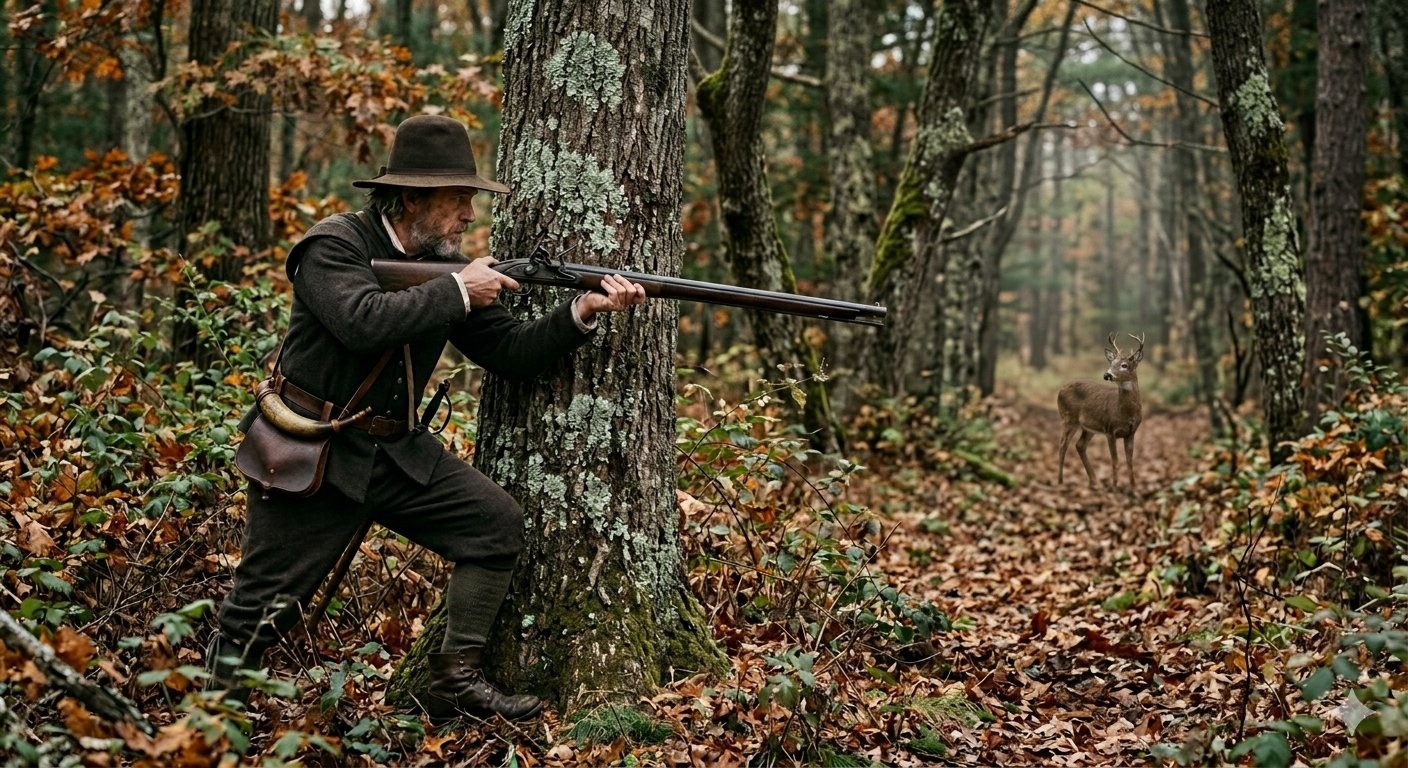
Some of them did, partly. What the textbooks leave out is the thing that sits in the actual letters, in the sailors' accounts, in the merchant pamphlets circulating in English ports from the 1580s onwards: a major reason people came to America was the wild game. Meat you could take. Meat nobody owned. Meat that walked into camp.
For a population legally separated from the animal for five hundred years, this was the whole pitch.
Consider what they were leaving.
A family in a Devon cottage in 1618 eats pottage. Oats, barley, an onion, whatever greens grew near the back door. No meat in it this week. No meat in it last week. There will be meat in it on Christmas Day, God willing, if the chicken is still alive by then. The deer in the forest at the end of the lane have been the king's property under the Forest Laws since 1066. Taking one is a hanging offence. The father has never taken one. His father never took one. The institutional memory of not taking one goes back five hundred and fifty-two years.
Then the stories arrive. From sailors. From ship's captains. From merchants returning through Bristol and Plymouth.
The birds come in flocks that darken the sky for three days. Not an afternoon. Three days. Passenger pigeons in numbers later estimated at three to five billion in a single flock, making a sound early settlers compared to the roar of a river that refused to stop. A man with a net could take five hundred in an afternoon. The king of England had no claim on the sky over Massachusetts.
The rivers, the captains said, ran so thick with salmon that the water appeared to boil. The deer walked into camp, looked at the fire, and were shot. The oysters on the Atlantic shore came the size of dinner plates, piled in reefs you could lean over the side of a boat to harvest. Turkeys weighing thirty pounds stood in clearings with the fearlessness of an animal that had never been hunted by anything on two legs. Bison herds on the plains took four hours to cross a ford.
And nobody, crucially, owned any of it.
The father in Devon lies awake that night thinking about the sky going dark for three days. He is also thinking about religious freedom. Theological persecution was real. The Mayflower passenger list included genuine dissenters. That was part of it. It was not, for most of them, the biggest part.
The biggest part was that the animals in the captain's story belonged to nobody, and the family had been watching animals that belonged to somebody else walk past their cottage for twenty generations.
Between 1620 and 1640, roughly 20,000 people made the crossing. By 1700, 250,000. By 1900, fifty million Europeans had crossed, most of them peasants from cultures where meat had been restricted for centuries, most of them arriving within the first generation at a standard of eating their grandparents would not have believed.
A labourer in Pennsylvania in 1750 was eating more meat per week than an English nobleman had eaten in 1450. An Irish emigrant's grandchild in Boston in 1900, whose great-grandmother had starved in 1847 while Irish cattle were shipped past the coffin ships to English markets, was eating steak on a Tuesday and not thinking about it.
At the centre of the great migration was hunger. Specifically, hunger for meat. Enforced since 1066, reinforced by Enclosure for another four hundred years, reinforced by the quiet understanding that the venison belonged to the lord and the pottage belonged to you.
They crossed an ocean because, finally, you could go somewhere the deer walked into camp and the pigeons blocked out the sun and nobody had a legal claim on any of it.
You could eat like a lord without owing a lord anything.
They crossed an ocean for that.
And having got to it, they did not give it back.
@SamaHoole X
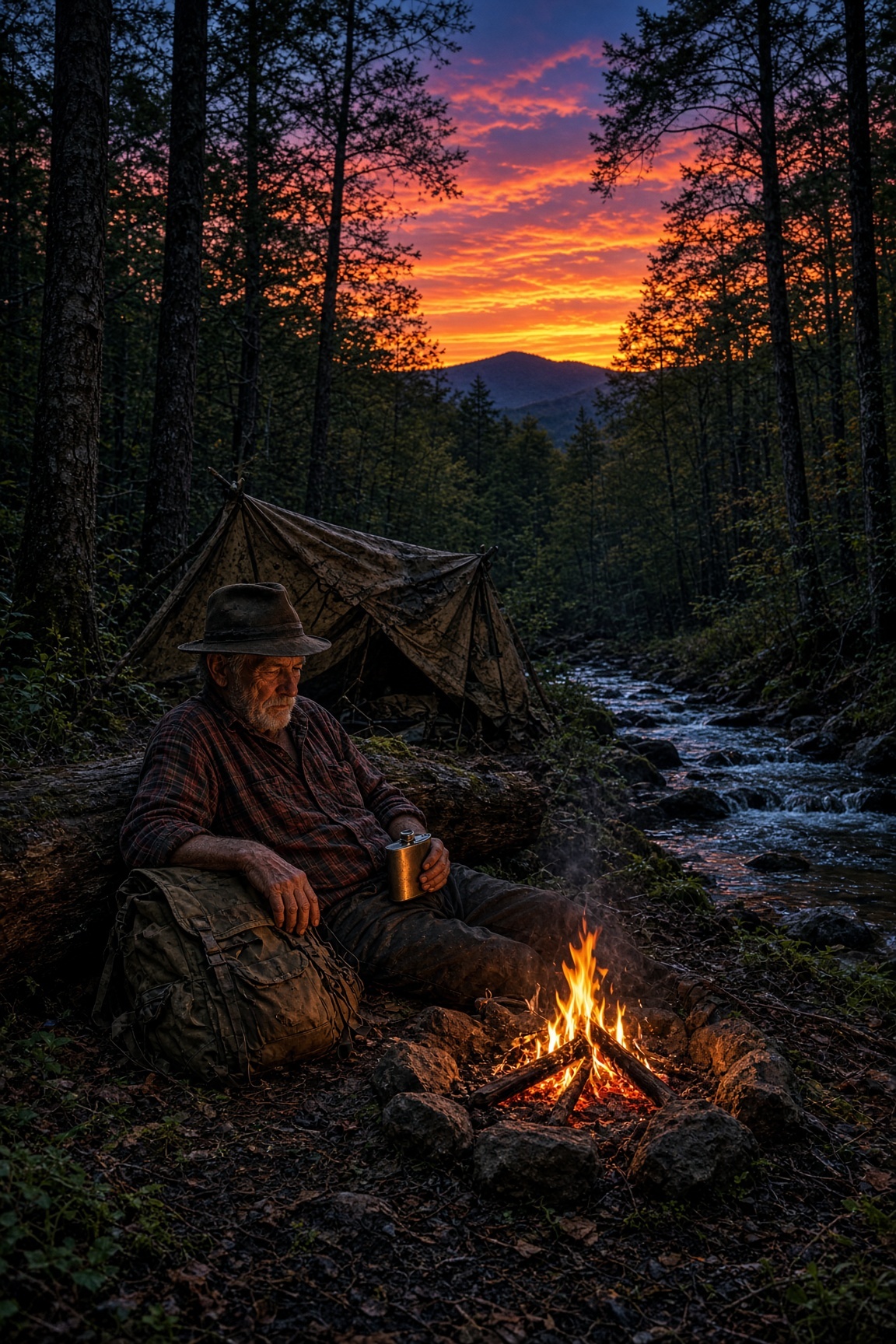
…the myth, the legend.
#AppalachianLegend #AuntRuby #BackwoodsBars
#ThePracticalWoodsman #AppalachianCampfireStories
WARNING: This is a brief video of two people dying. The wife thought she was taking a picture of the event, but it was actually a video.
I have been in these intimate, private circumstances many times before with my own brain.
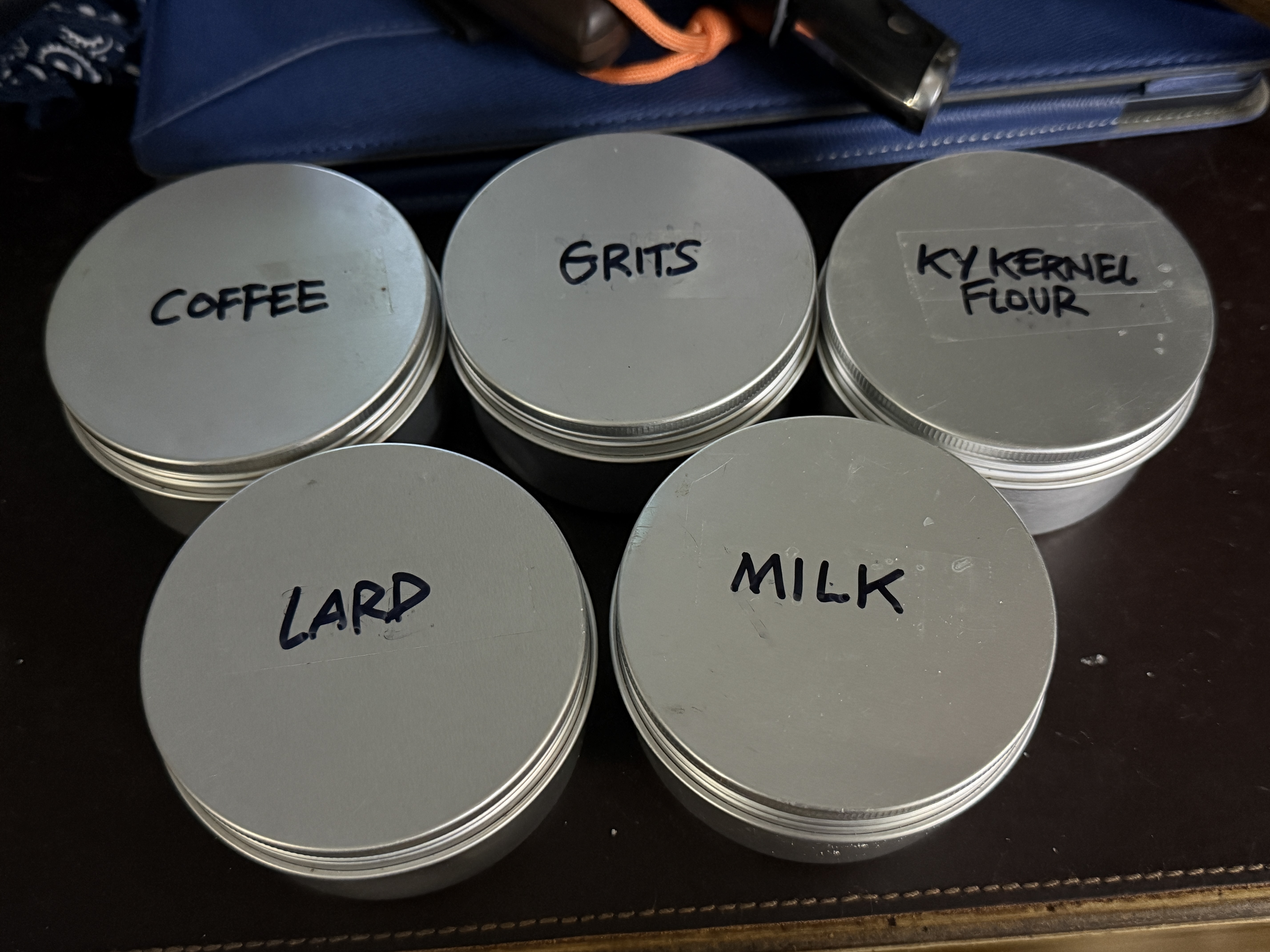
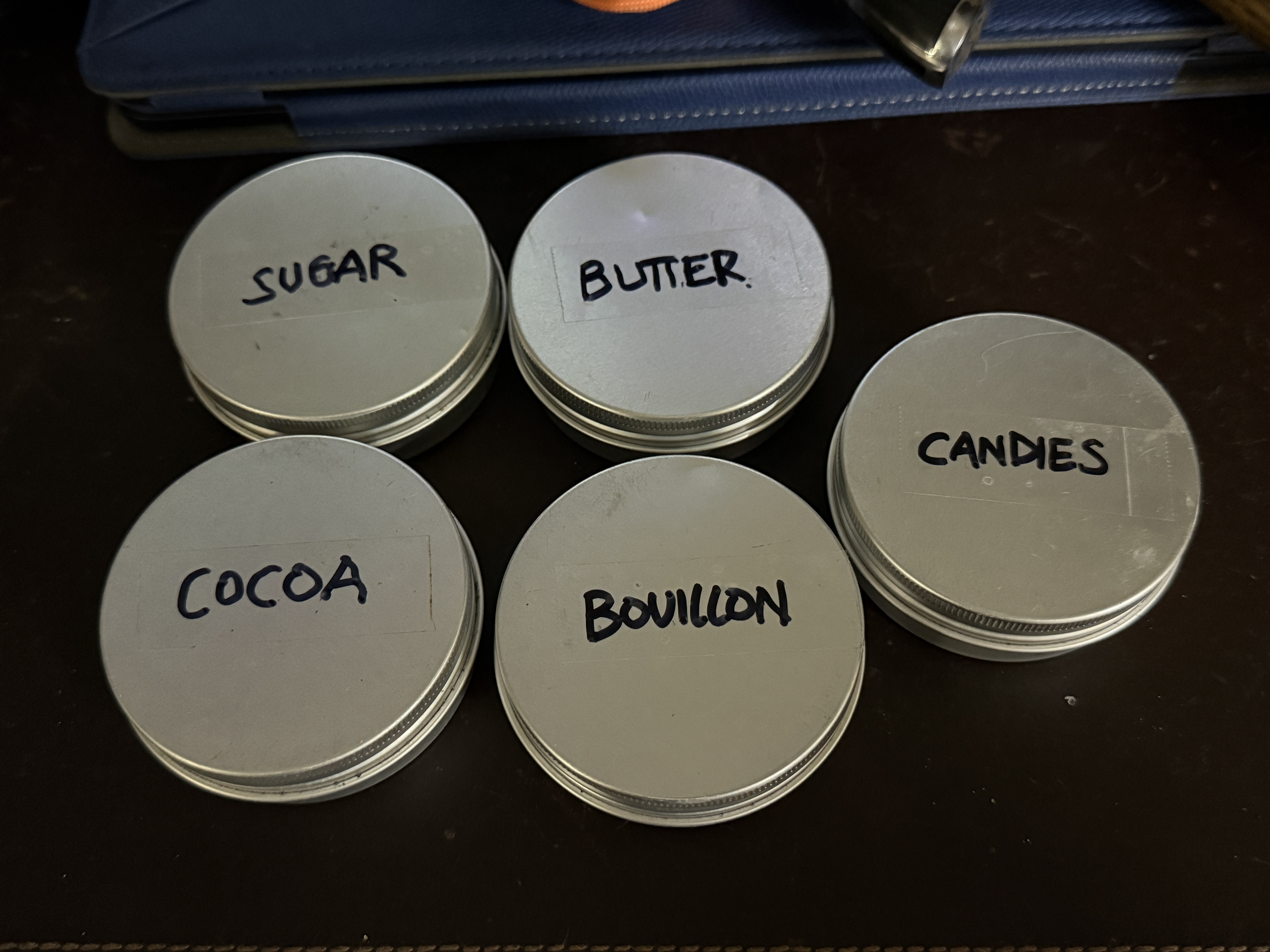
Nothin’ is better than round, uniform tins for hauling certain things. I’m really fond of them because they stack neatly and can save quite a bit on space. I get them off Amazon in two different sizes at a low price - a small, snuff-size can, and a larger can.
The only real drawback about them is that they can get beat up fairly easily, because they’re made out of really light aluminum. But for their low cost, I reckon it’s no big deal, since they’re easy to replace.