

Bathing in rivers was a normal part of medieval life, though it would horrify a modern health officer. Rivers were everywhere, free, and useful, so people washed themselves, their clothes, and sometimes their animals in the same stretch of water.
In summer, bathing was practical. Labourers came off the fields filthy, overheated, and sore, and a river was the quickest way to cool down. Children swam, splashed, and learned early where the deep holes and strong currents were. In towns, designated bathing spots sometimes existed, though modesty was flexible and often seasonal rather than strict.
The problem was that rivers did everything else, too. Fortunately, people weren't morons! Downstream someone was tanning hides, soaking flax, or dumping waste. Upstream another group was filling drinking vessels.
Medieval people understood this more than we give them credit for. Many towns had rules about where washing, slaughtering, or toileting was allowed, even if enforcement was uneven.
Bathing also carried moral baggage. Mixed bathing worried church authorities, who associated it with temptation and idleness. Sermons complained about nakedness, flirtation, and people lingering too long in the water when they should have been working.
Still, rivers remained the bathhouse of the poor. For most people, a clean body depended on the weather, the season, and how foul the water happened to be that day.
© MedievalHistoria

…the myth, the legend.
#AppalachianLegend #AuntRuby #BackwoodsBars
#ThePracticalWoodsman #AppalachianCampfireStories
WARNING: This is a brief video of two people dying. The wife thought she was taking a picture of the event, but it was actually a video.
I have been in these intimate, private circumstances many times before with my own brain.


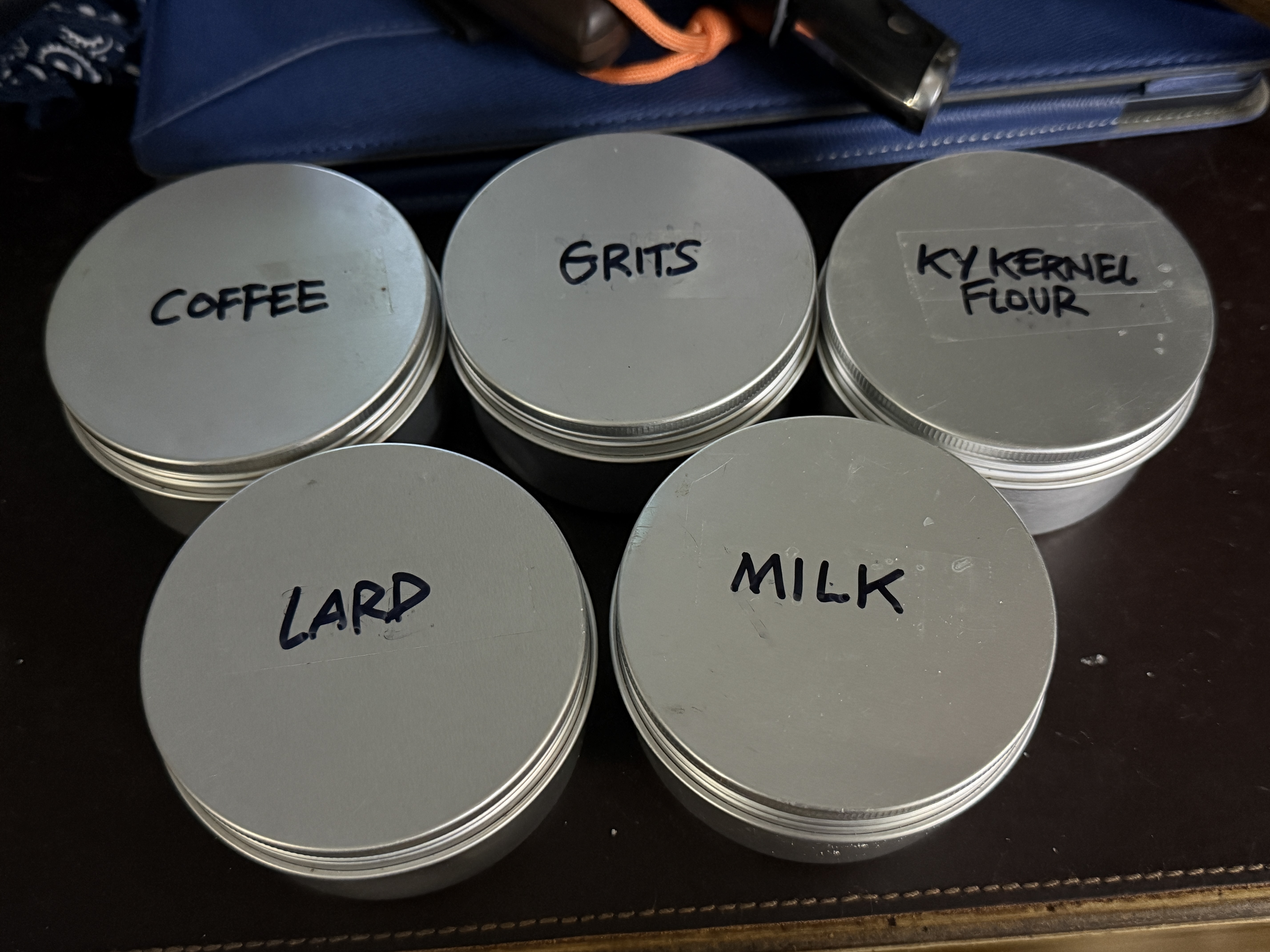
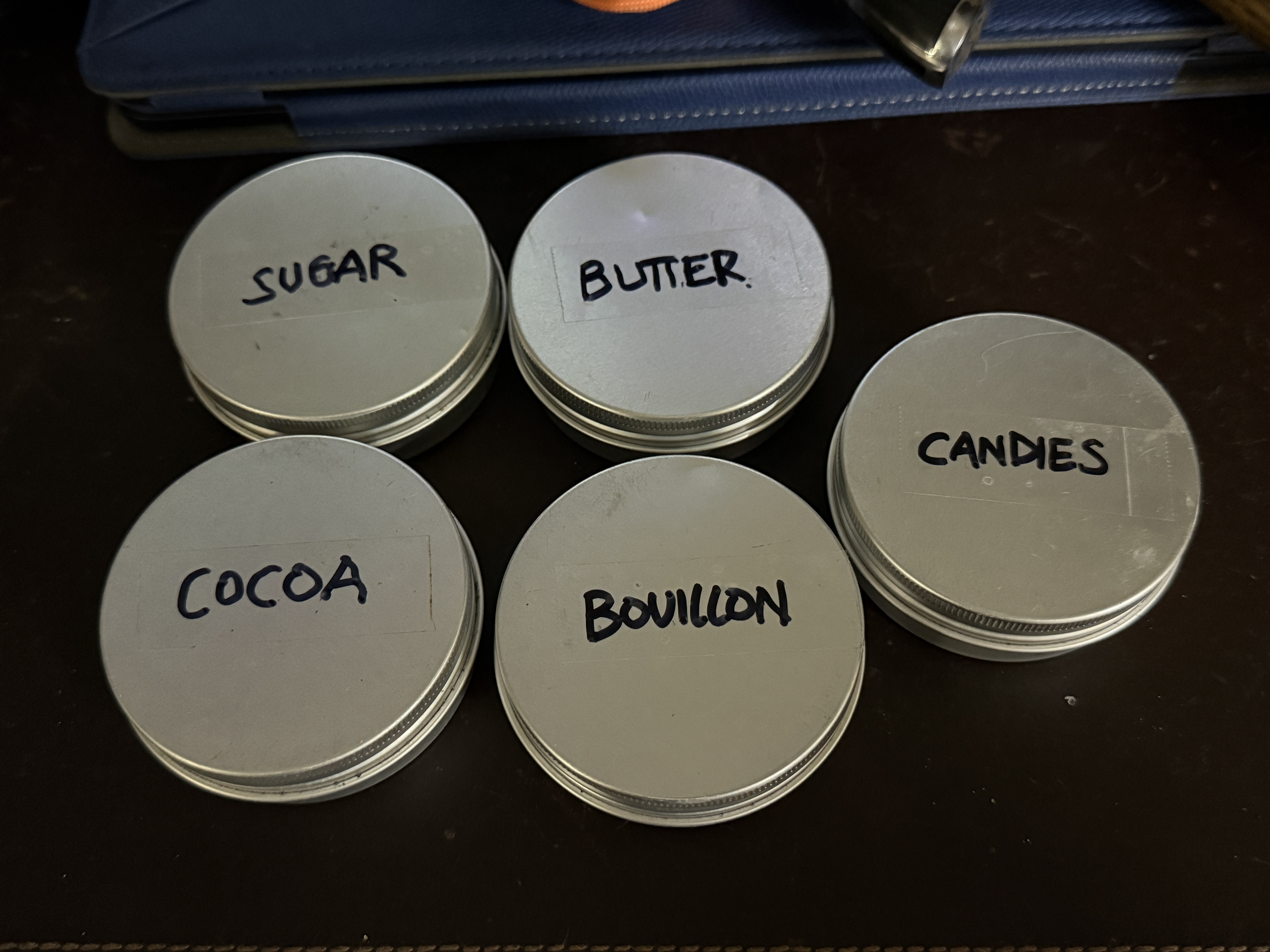
Nothin’ is better than round, uniform tins for hauling certain things. I’m really fond of them because they stack neatly and can save quite a bit on space. I get them off Amazon in two different sizes at a low price - a small, snuff-size can, and a larger can.
The only real drawback about them is that they can get beat up fairly easily, because they’re made out of really light aluminum. But for their low cost, I reckon it’s no big deal, since they’re easy to replace.