

On various occasions, I’ve mentioned that we had a well when I was growing up that was practically unusable. We could use the water from it to flush commodes inside the house, but that was about all. For all of our drinking, cooking, and washing, we brought up our water in buckets from a little freshwater spring down the side of the mountain.
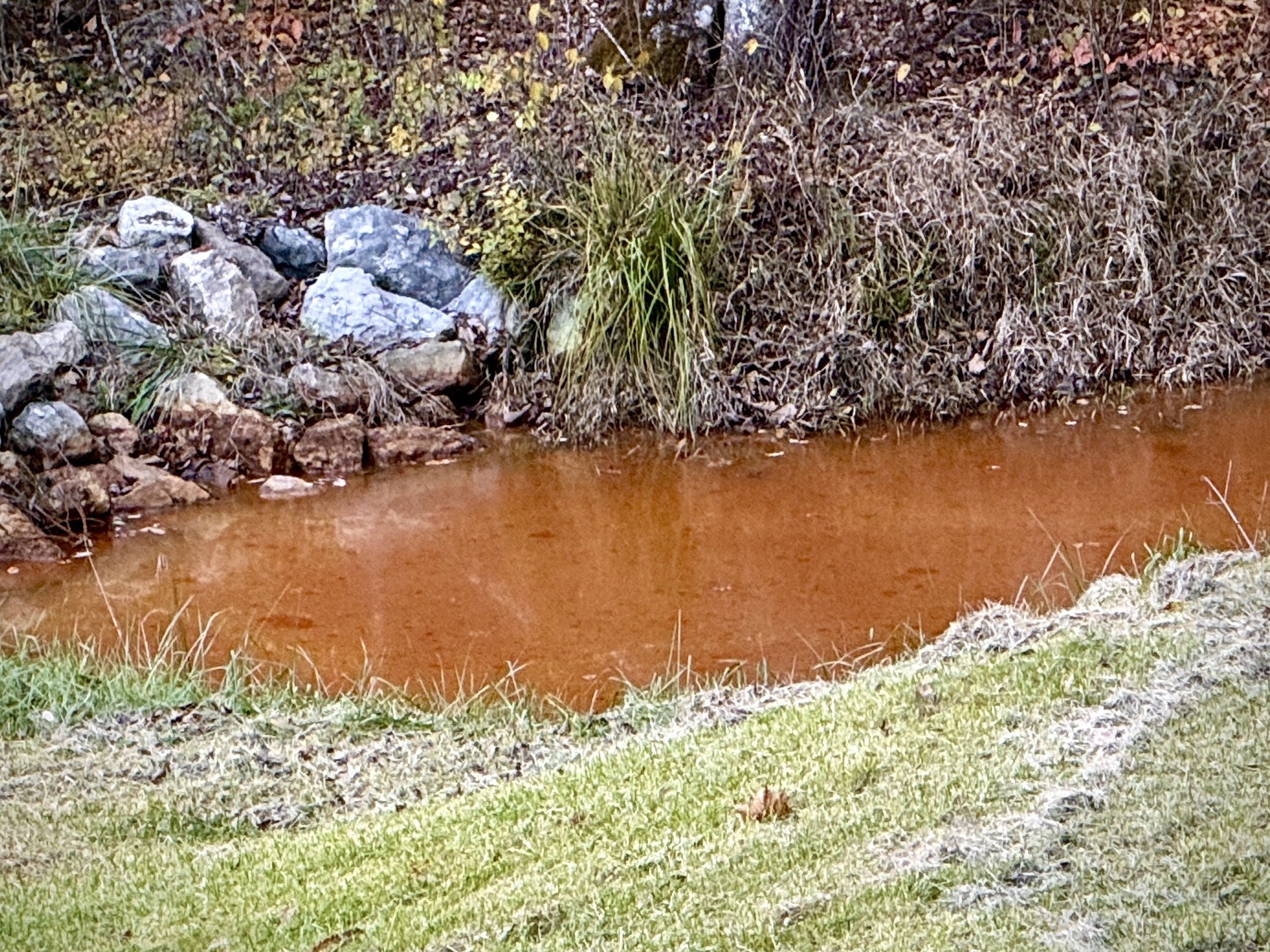
The reason the well water was mostly unusable is that it contained too much rust, or iron. I took the attached picture here while on that walk in the woods with my daughter the other day, specifically to show you all exactly what this sort of water looks like.
If you ever come across water like this in the woods, you’ll know it has unusually high iron content if it appears orange like the water in this little runoff area here.
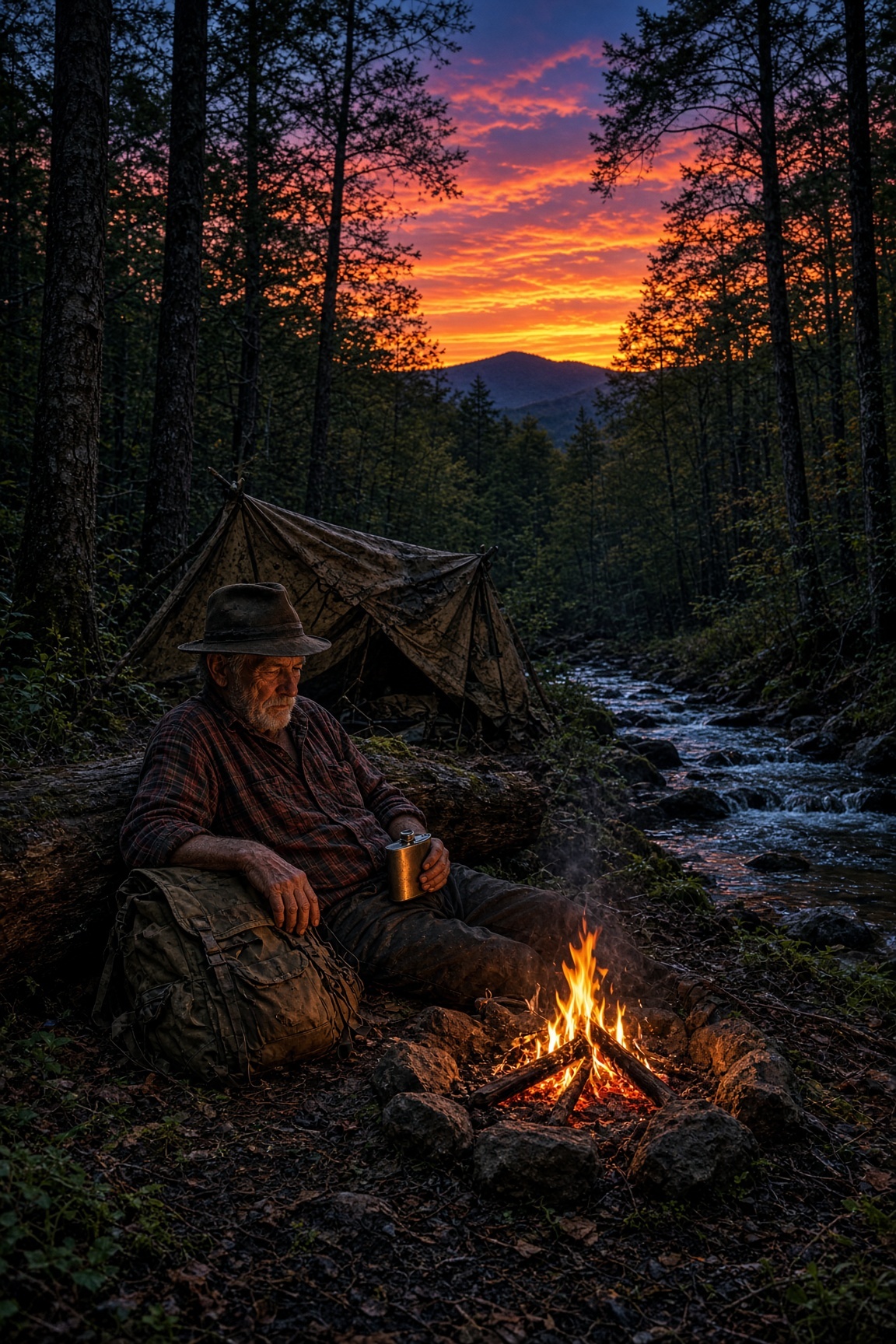
…the myth, the legend.
#AppalachianLegend #AuntRuby #BackwoodsBars
#ThePracticalWoodsman #AppalachianCampfireStories
WARNING: This is a brief video of two people dying. The wife thought she was taking a picture of the event, but it was actually a video.
I have been in these intimate, private circumstances many times before with my own brain.
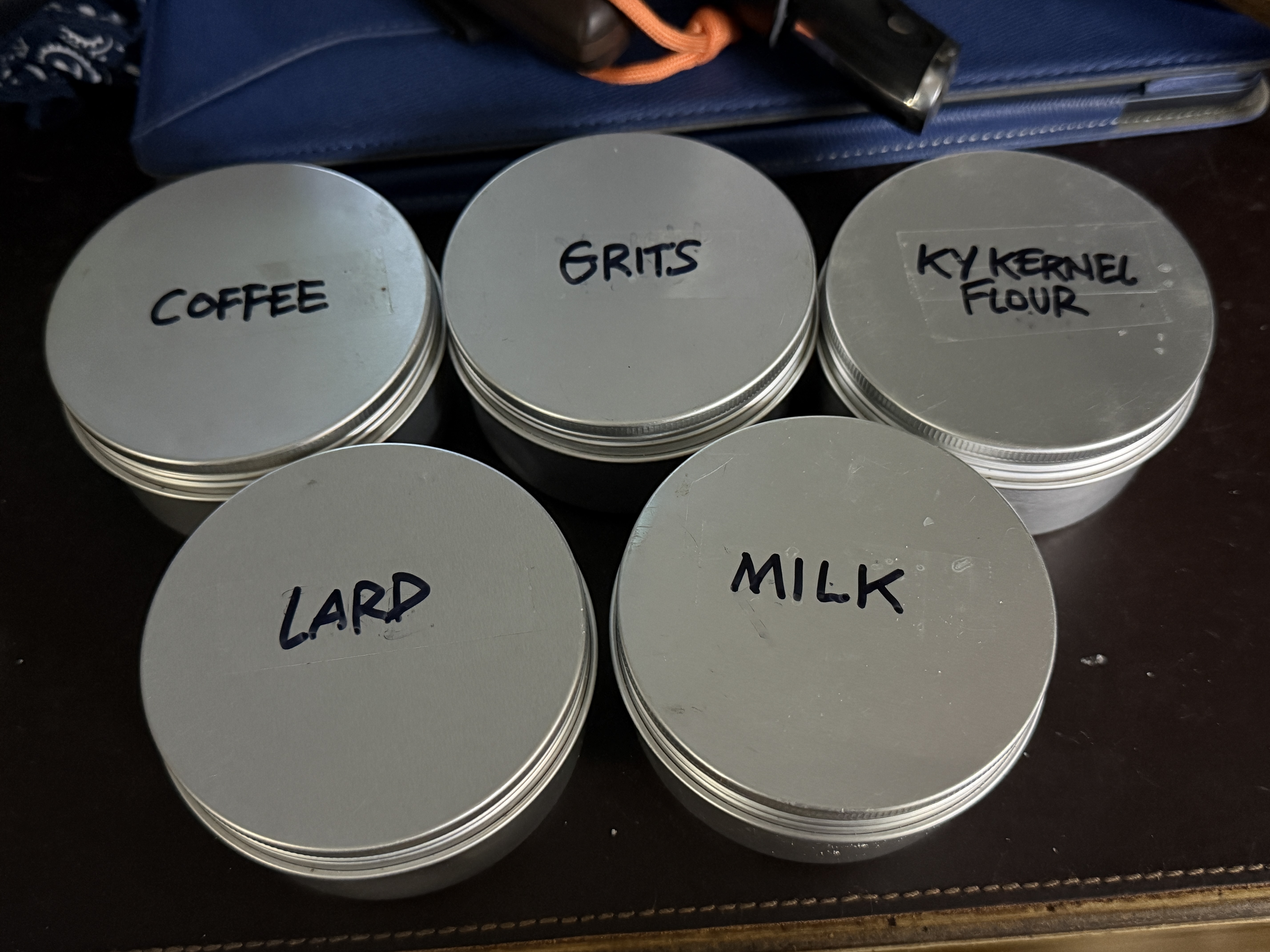
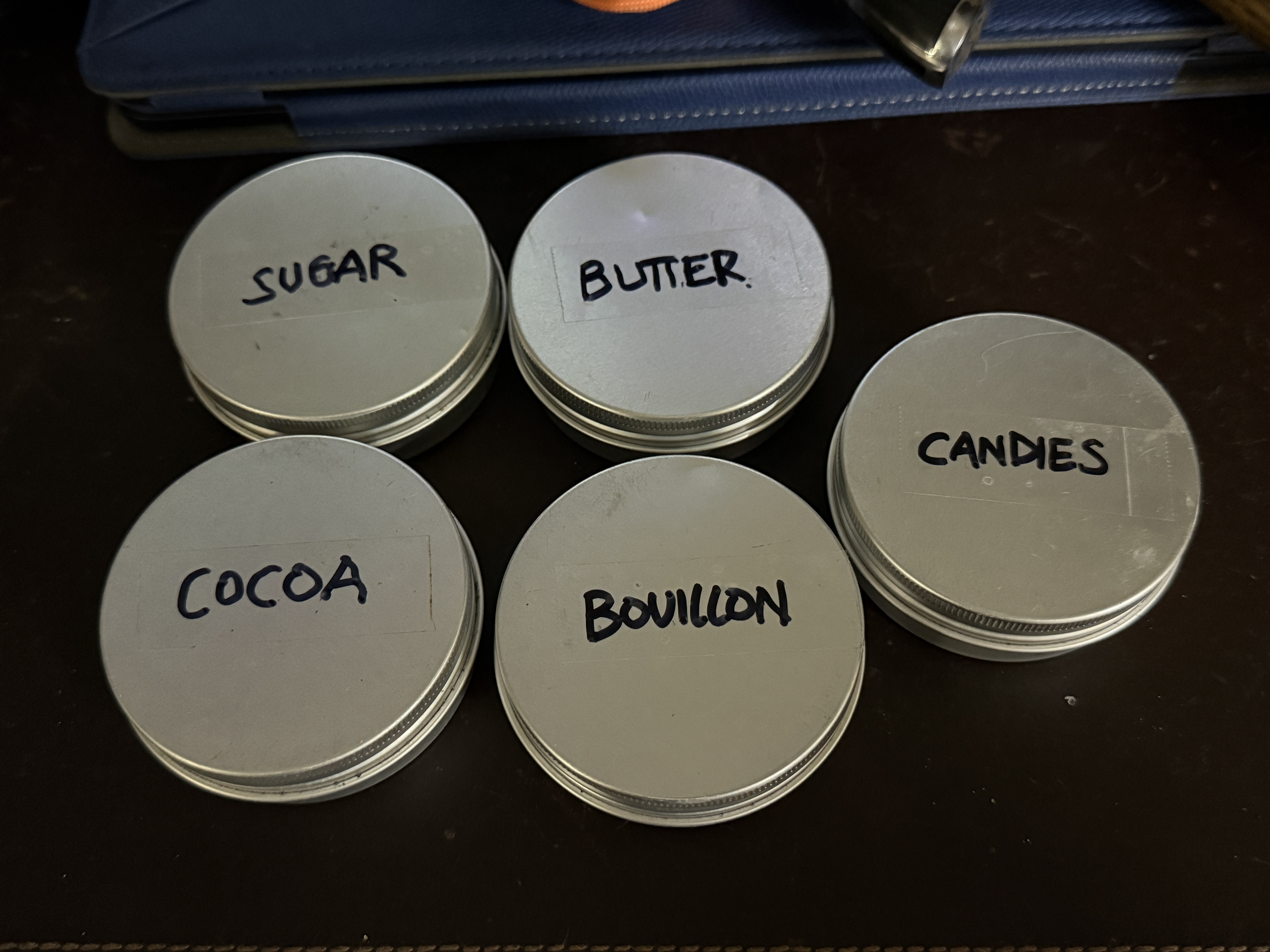
Nothin’ is better than round, uniform tins for hauling certain things. I’m really fond of them because they stack neatly and can save quite a bit on space. I get them off Amazon in two different sizes at a low price - a small, snuff-size can, and a larger can.
The only real drawback about them is that they can get beat up fairly easily, because they’re made out of really light aluminum. But for their low cost, I reckon it’s no big deal, since they’re easy to replace.