

This always cracks me up. Bigfoot was a major beloved legend in my family when I was growing up. We were both terrified of the thought of ever encountering him, while at the same time loving the idea of him.
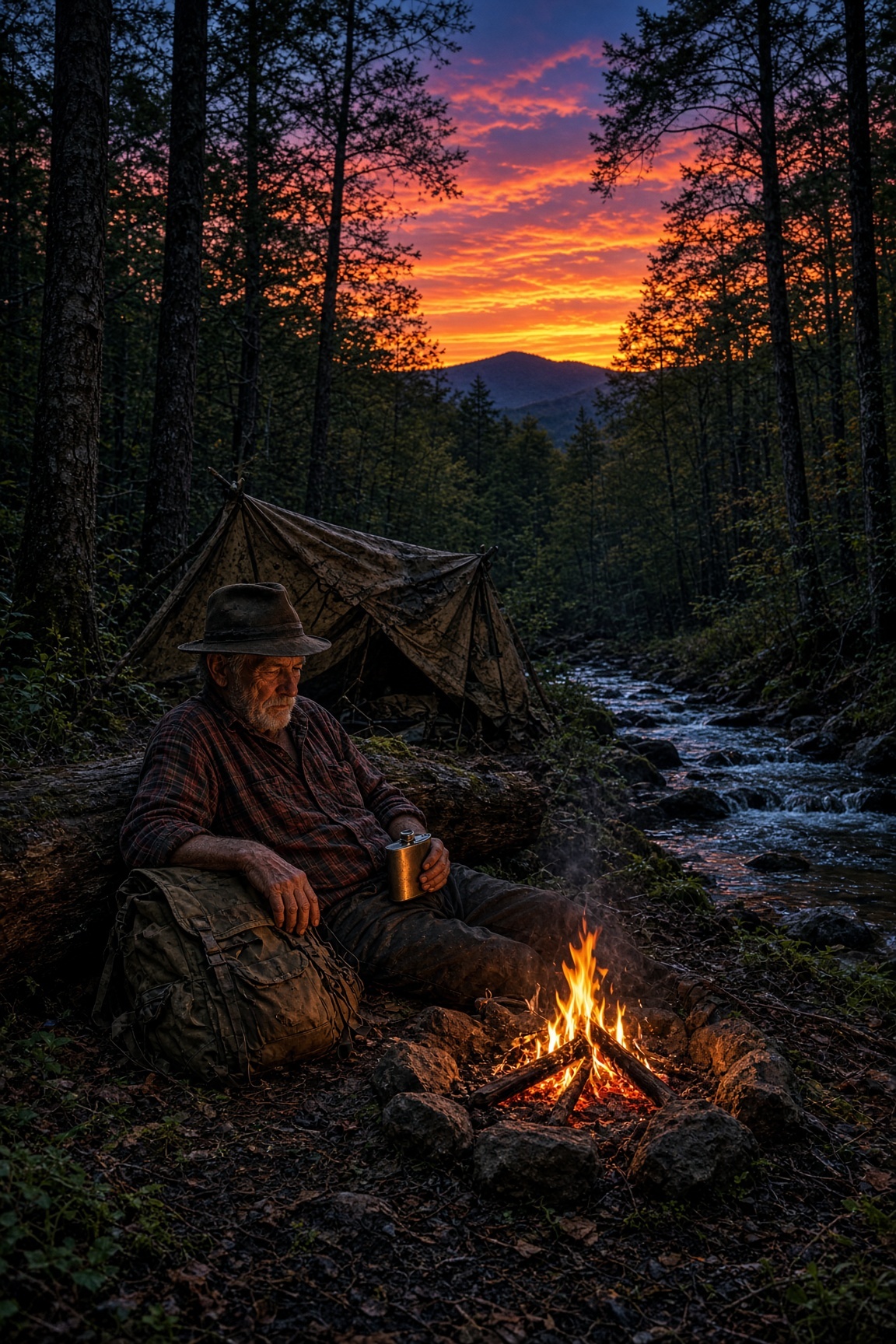
A lot of folks ask if I have any honest-to-goodness Bigfoot encounters (rather than just some made up tall tales), and I do. I once saw him move between some trees at about a football field’s distance, below me down in a holler, one late breezy, summer afternoon, shortly after I had awakened from a nap that I had taken against a tree in the deep woods.
…the myth, the legend.
#AppalachianLegend #AuntRuby #BackwoodsBars
#ThePracticalWoodsman #AppalachianCampfireStories
WARNING: This is a brief video of two people dying. The wife thought she was taking a picture of the event, but it was actually a video.
I have been in these intimate, private circumstances many times before with my own brain.

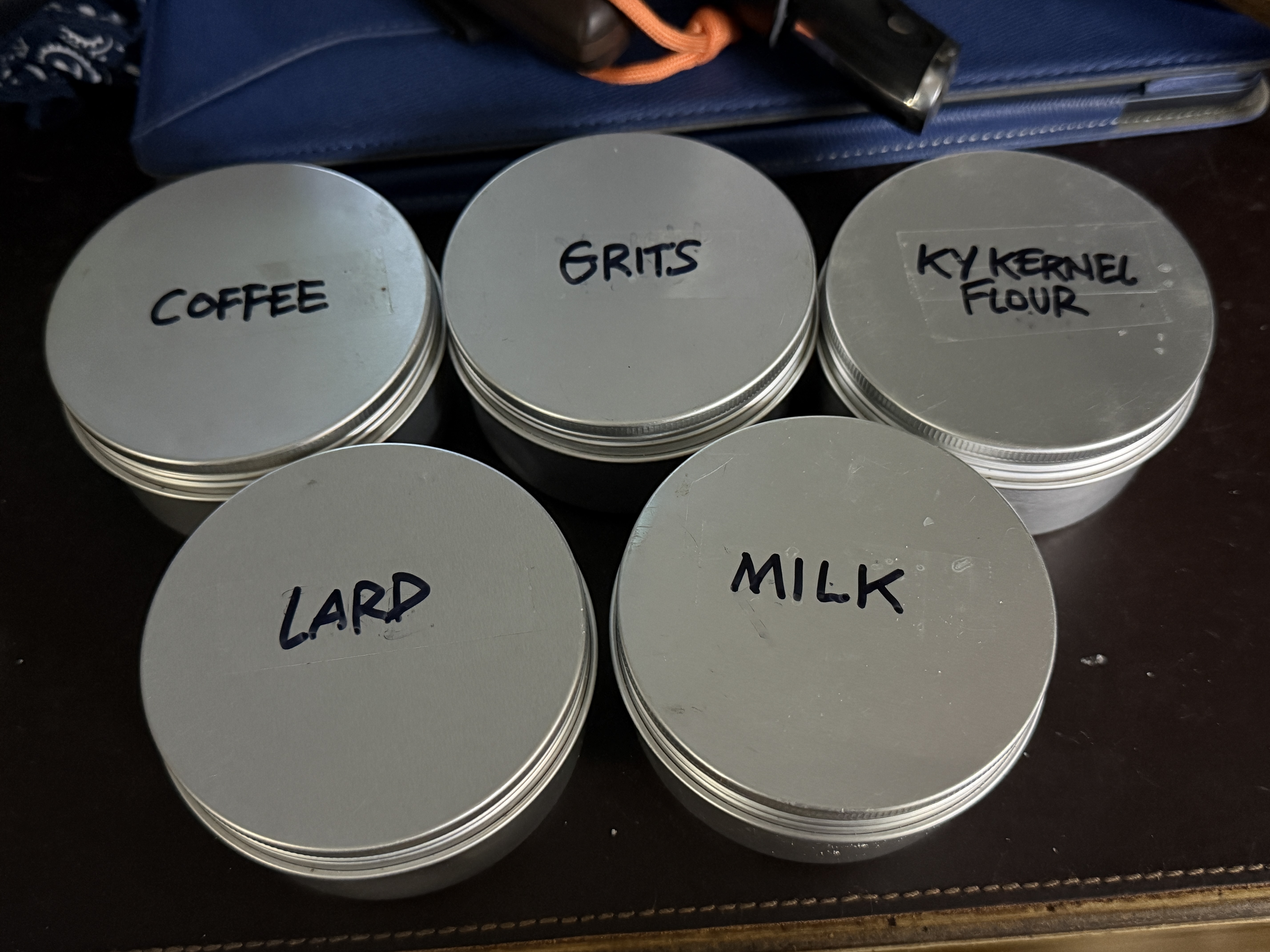
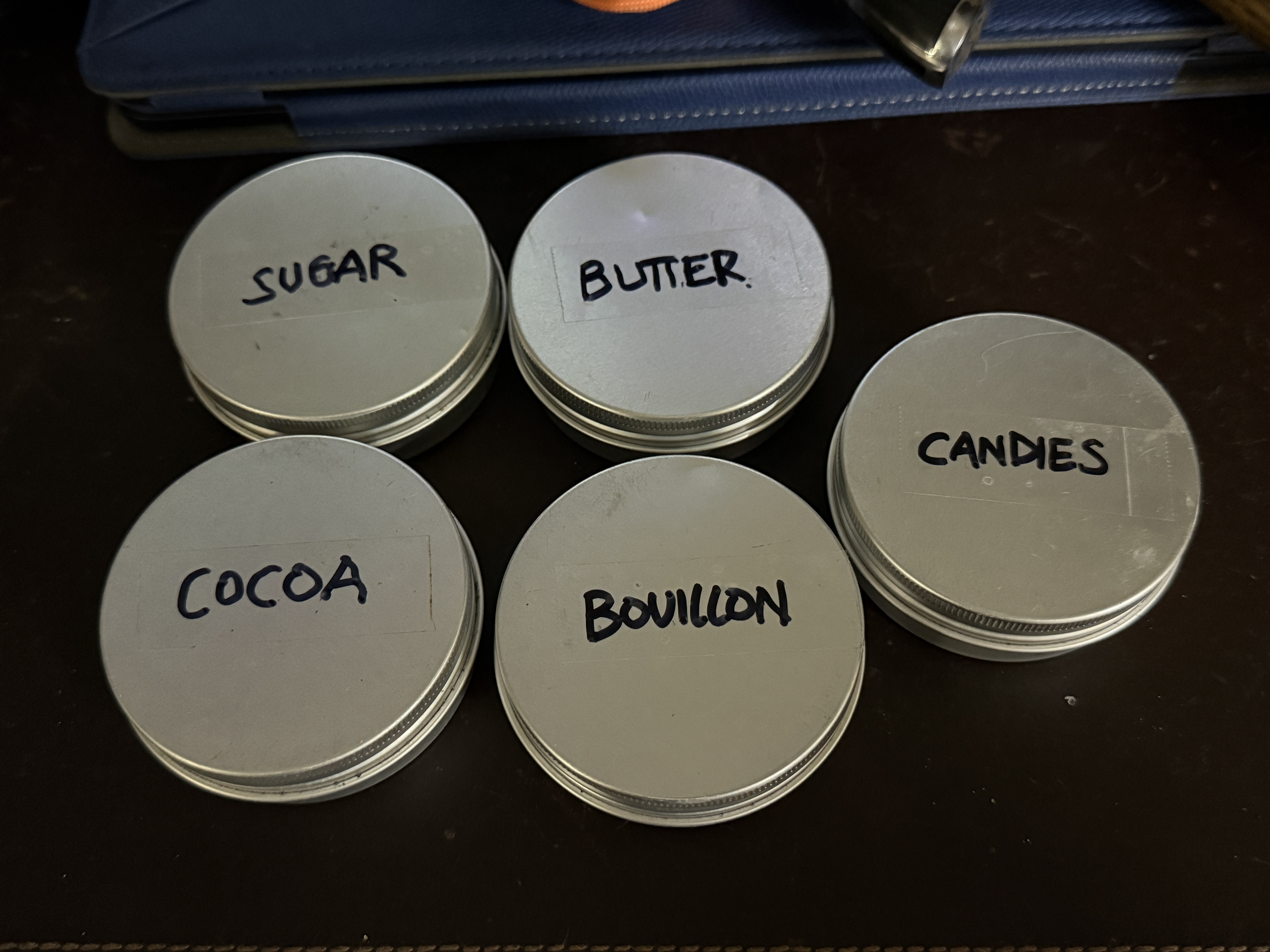
Nothin’ is better than round, uniform tins for hauling certain things. I’m really fond of them because they stack neatly and can save quite a bit on space. I get them off Amazon in two different sizes at a low price - a small, snuff-size can, and a larger can.
The only real drawback about them is that they can get beat up fairly easily, because they’re made out of really light aluminum. But for their low cost, I reckon it’s no big deal, since they’re easy to replace.