

One thing to be aware of when it comes to us traditional Appalachians is that we come from a long line of storytellers. It is our heritage. This means you rarely get just straight facts within any story we’re relating to you. We do use actual truth to create the overall structure for our tales, but then also weave in lots of exaggeration, superstition, fantasy, boasting, lore, and outright fabrications. This is part of the joy of it all.
This might create a situation at times where modern listeners could feel disappointed, or lied to, if finding out that certain details of a story were not completely true. (People desperately WANT to believe, for example, that Daniel Boone really did all of the legendary, impossible things that he is reported to have done. But on some level, we all know that in reality, a lot of those stories are founded on something real that happened, but then exaggerated.)
An example of me pulling this dirty trick on all of you can be seen in Ep 172 Horrifying BIGFOOT ...
…the myth, the legend.
#AppalachianLegend #AuntRuby #BackwoodsBars
#ThePracticalWoodsman #AppalachianCampfireStories
WARNING: This is a brief video of two people dying. The wife thought she was taking a picture of the event, but it was actually a video.
I have been in these intimate, private circumstances many times before with my own brain.
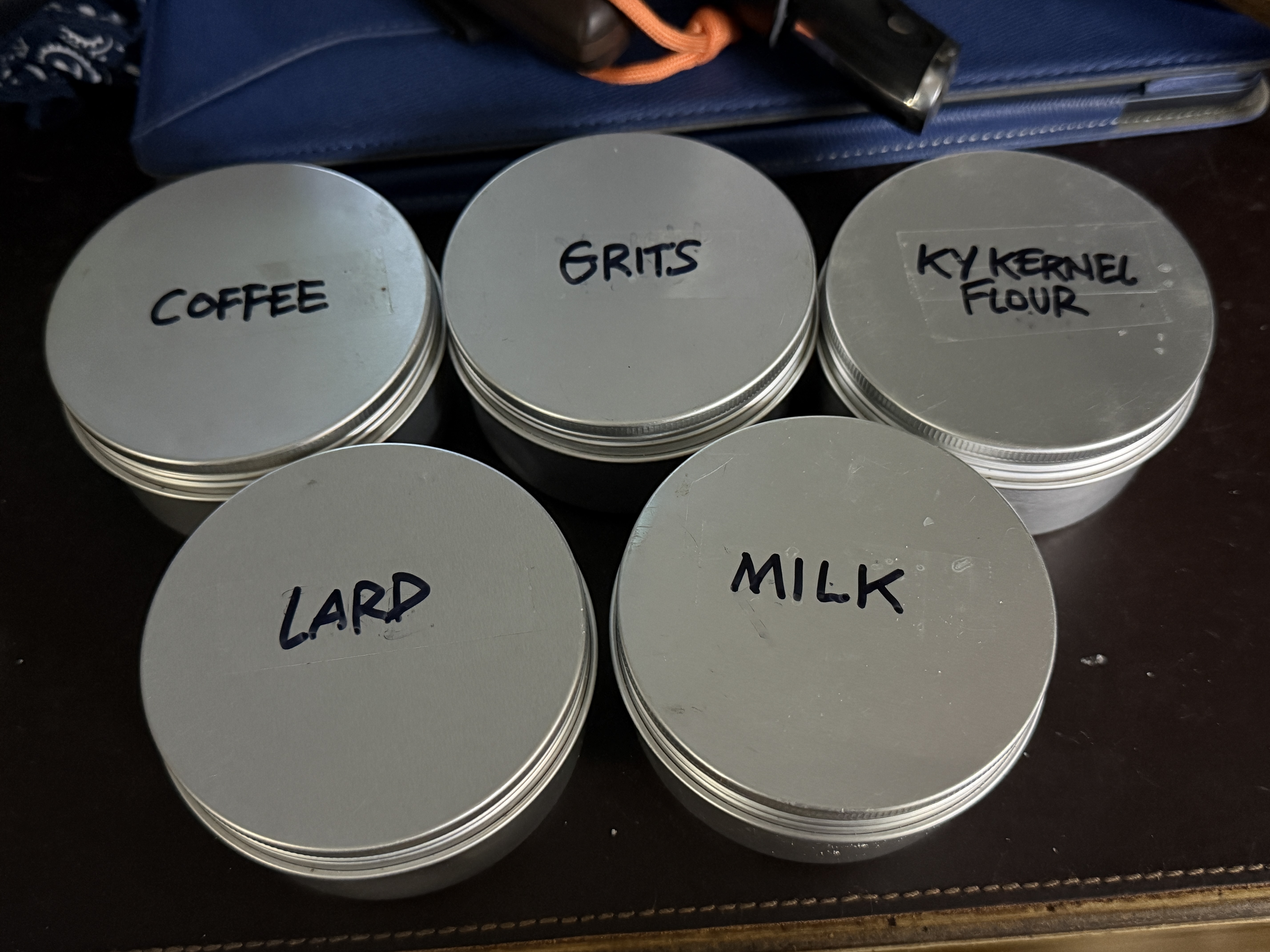
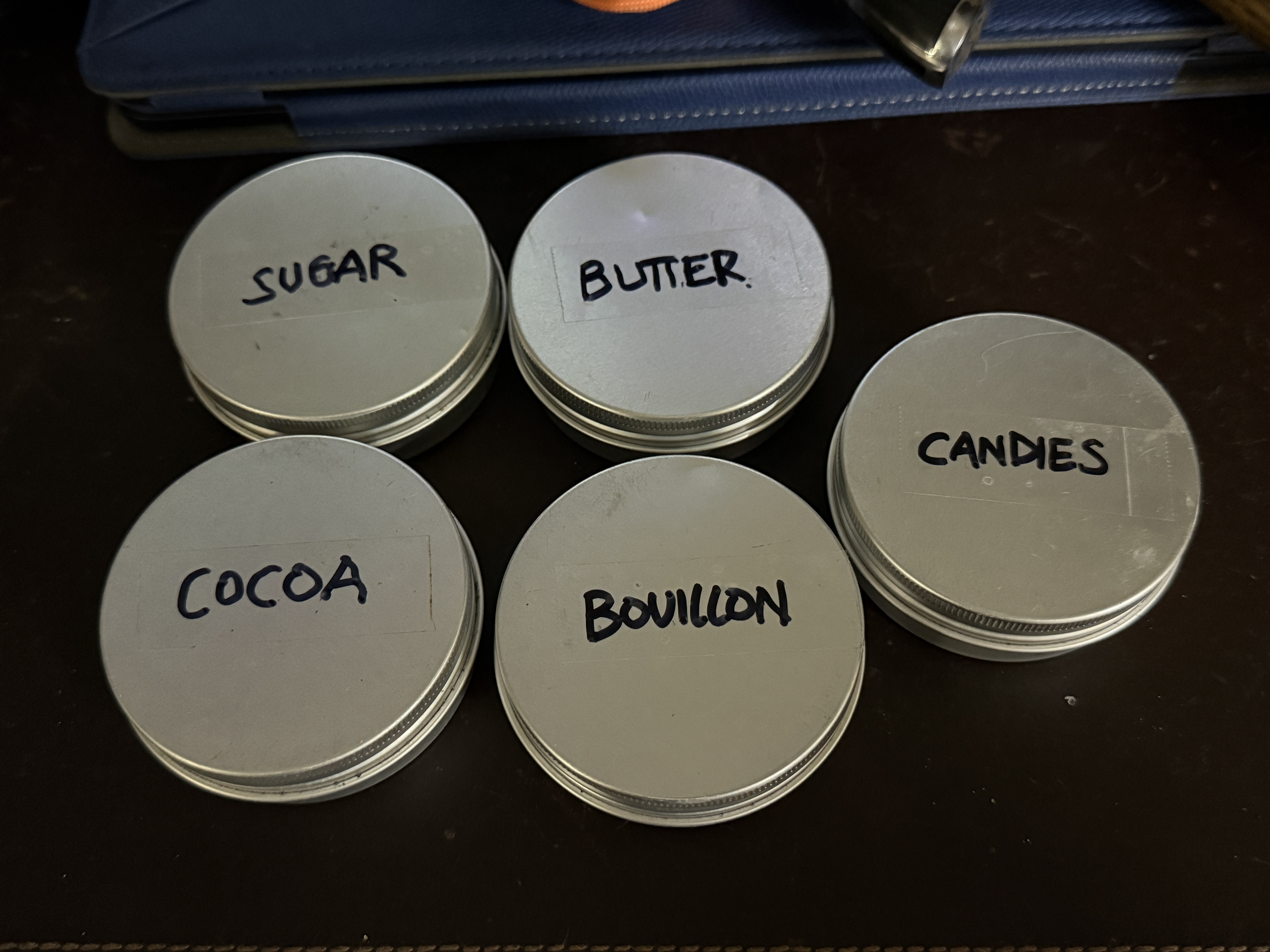
Nothin’ is better than round, uniform tins for hauling certain things. I’m really fond of them because they stack neatly and can save quite a bit on space. I get them off Amazon in two different sizes at a low price - a small, snuff-size can, and a larger can.
The only real drawback about them is that they can get beat up fairly easily, because they’re made out of really light aluminum. But for their low cost, I reckon it’s no big deal, since they’re easy to replace.