

Hoping to have a show about cots uploaded before the weekend.
I love cots. It’s a shame most of them can’t make the trip into genuine wilderness, because they provide my favorite sleeping experience. But even the really “light” and compact ones ain’t light enough or compact enough to carry 30 miles up and down mountains when there are other, more-important things that have to be included in a pack.
Still, I love them, and I’m looking forward to showing several different types off. One in particular makes my favorites list.
Also, I was competing with the locusts (cicadas). Daggaum, one in particular was trying to drown me out tonight. Here’s a little taste to hold y’all over.
…the myth, the legend.
#AppalachianLegend #AuntRuby #BackwoodsBars
#ThePracticalWoodsman #AppalachianCampfireStories
WARNING: This is a brief video of two people dying. The wife thought she was taking a picture of the event, but it was actually a video.
I have been in these intimate, private circumstances many times before with my own brain.
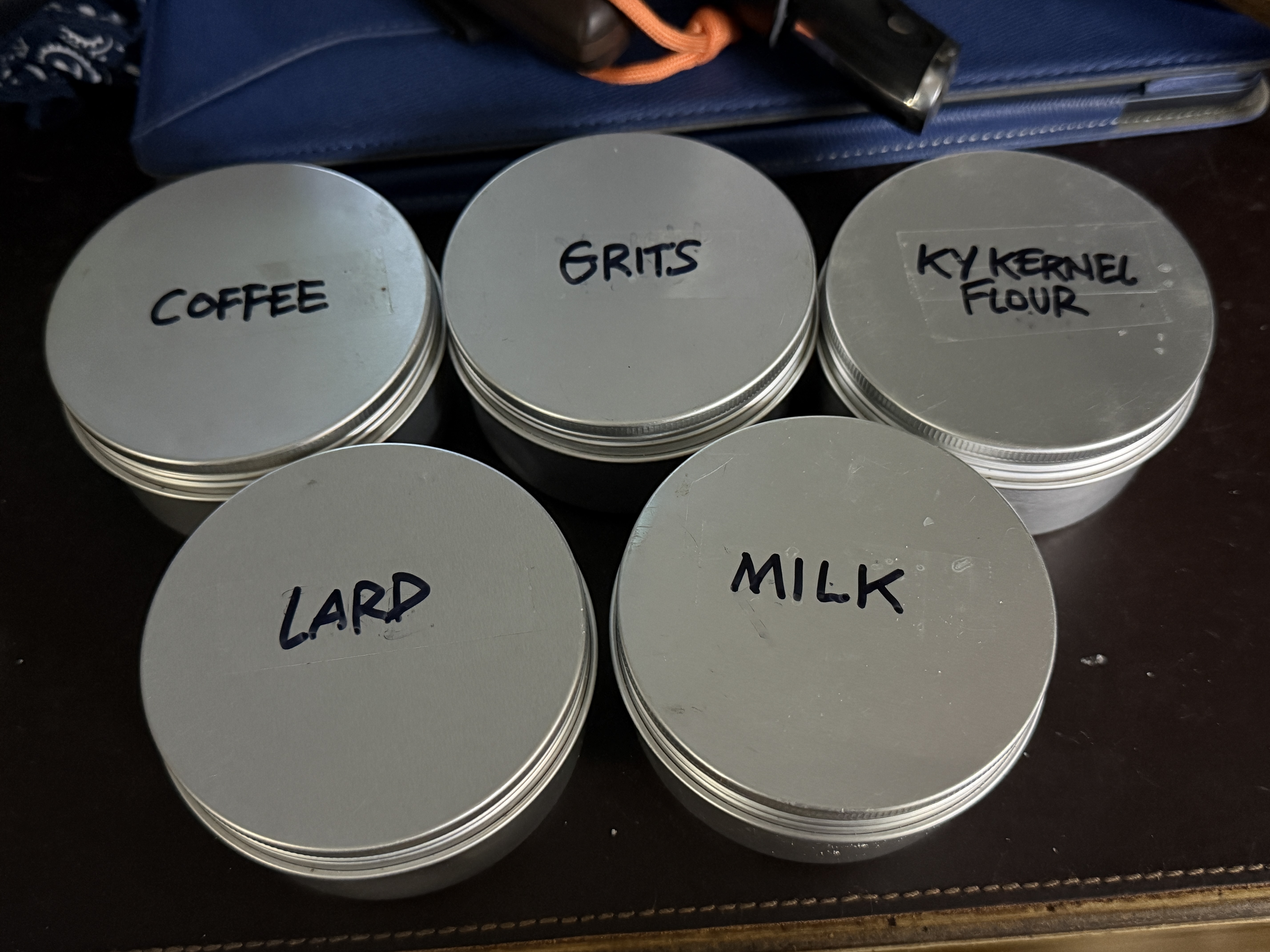
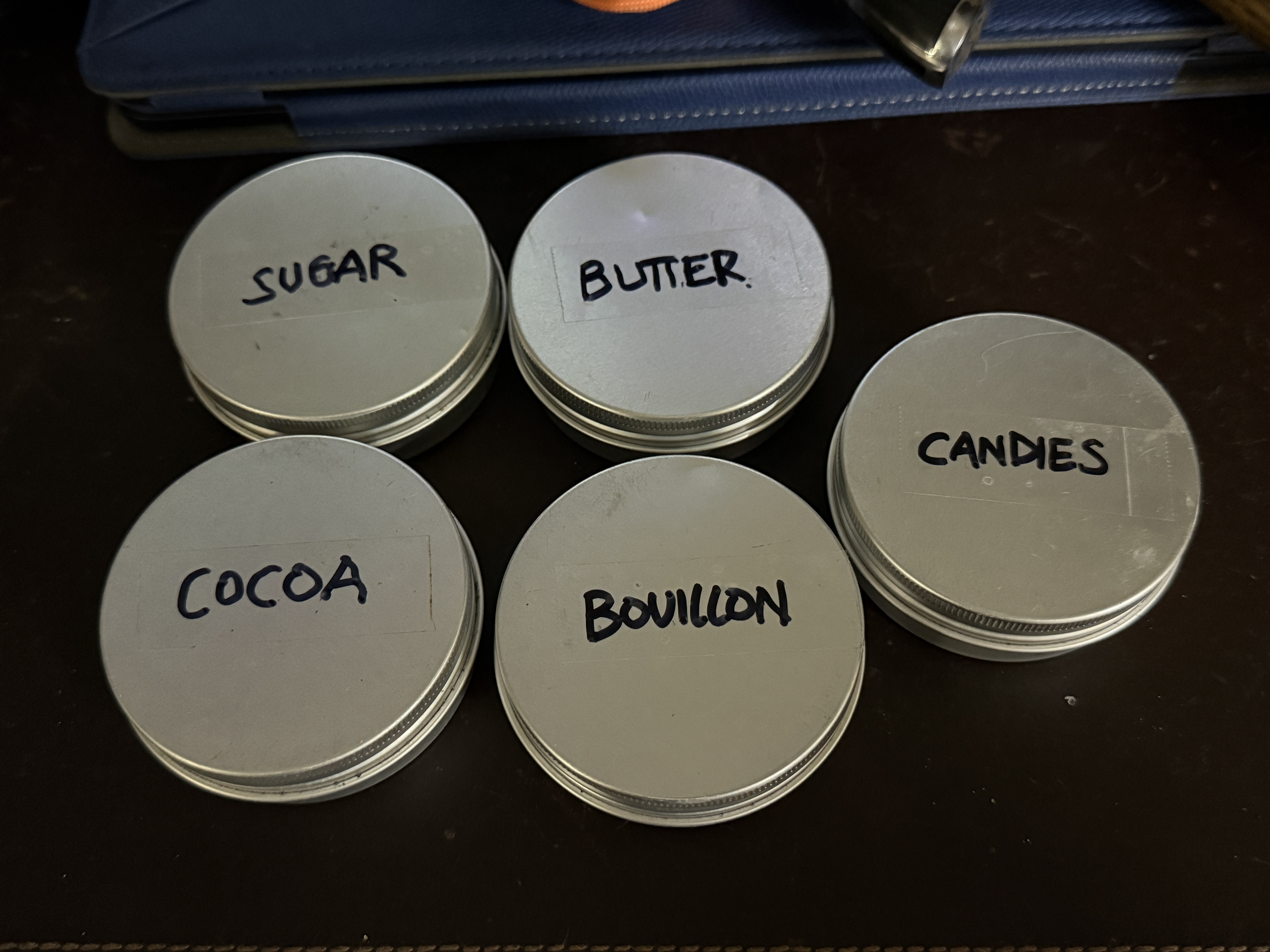
Nothin’ is better than round, uniform tins for hauling certain things. I’m really fond of them because they stack neatly and can save quite a bit on space. I get them off Amazon in two different sizes at a low price - a small, snuff-size can, and a larger can.
The only real drawback about them is that they can get beat up fairly easily, because they’re made out of really light aluminum. But for their low cost, I reckon it’s no big deal, since they’re easy to replace.