

They sent me this tent a couple of years back and I only just today set it up for the first time.
(I have a kayak adventure planned for a little more than a month from now. Since I’ll be camping along so much water and damp areas, my concern is about the possibility of unusual amounts of mosquitos. For that reason, I’m considering taking a different type of shelter - enclosed - rather than the open types I usually favor.)
If I want a fully enclosed shelter, and it’s just me and my dog, this is the style of shelter I would go with every time.
The brand I show off here in this video doesn’t appear to be making this particular style anymore, but I’ve included an Amazon link of what is essentially the exact same tent for those of you who are interested.
Ultra light weight, ultra simplicity, fully enclosed, enormous vestibule, plenty of space, only stakes and a single pole needed - could use any ol’ stick off the ground, basically. Will set up within two minutes in the rain. It’s a very fine design in my opinion.
Subscribe to The Practical Woodsman on YouTube & Rumble for non-fake, non-pretend, real backcountry wilderness preperation, insights and experience.
While others are playing Robinson Crusoe in their backyards, I show you the realities involved with getting out there for real, and how to stay safe and have fun. It’s work, but it’s rewarding work.
#DIYSpiceKit #WoodsmanSewing #SundayWoodsmanProjects #ThePracticalWoodsman #WonderfulAppalachianCulture
There has recently been an influx of new visitors to The Practical Woodsman YouTube channel, something I’m really grateful for! Welcome!
With any large new swarm of visitors also come the critical, disgruntled, haughty ridiculers.
This is a special message for them that I’m posting around as fair warning.

I agree that it can be real nice to have along friends for these sorts of things.
And believe me, I always try to invite a few to join me.
But let me tell you what has been my experience as l've gotten older (I'm in my early 50s): It gets harder, and harder, and harder to find people to join me.
When I was 30, I could find people to join me with the snap of my fingers.
Now, finding somebody to join me who will actually follow through is almost impossible. Everybody's set in their ways, they've got other things going on in their lives, nobody wants to give up their bathrooms and air conditioning or central heating. Other folks my age fear sleeping on the ground and getting dirty.
They don't know what they're missing out on. They don't understand that these experiences alone with God in the backcountry rejuvenate one's soul - hard ground or not.
I'll have to do a video where I talk about the realities of aging and how difficult it becomes to get other people to join you, just to see how many others ...
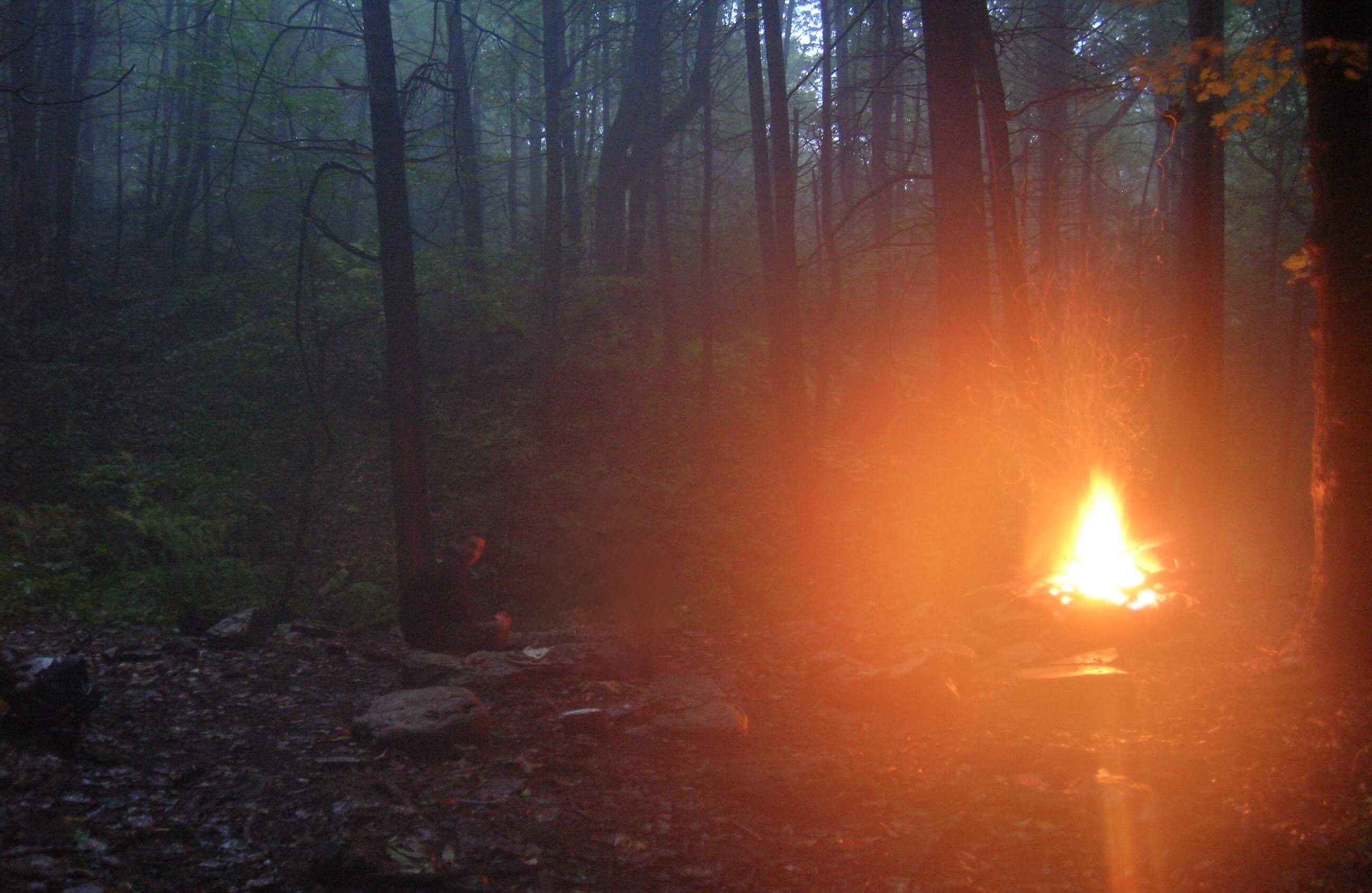
How's about some help preparin' for an upcoming weeklong river kayak adventure. What would you be more interested in seeing?
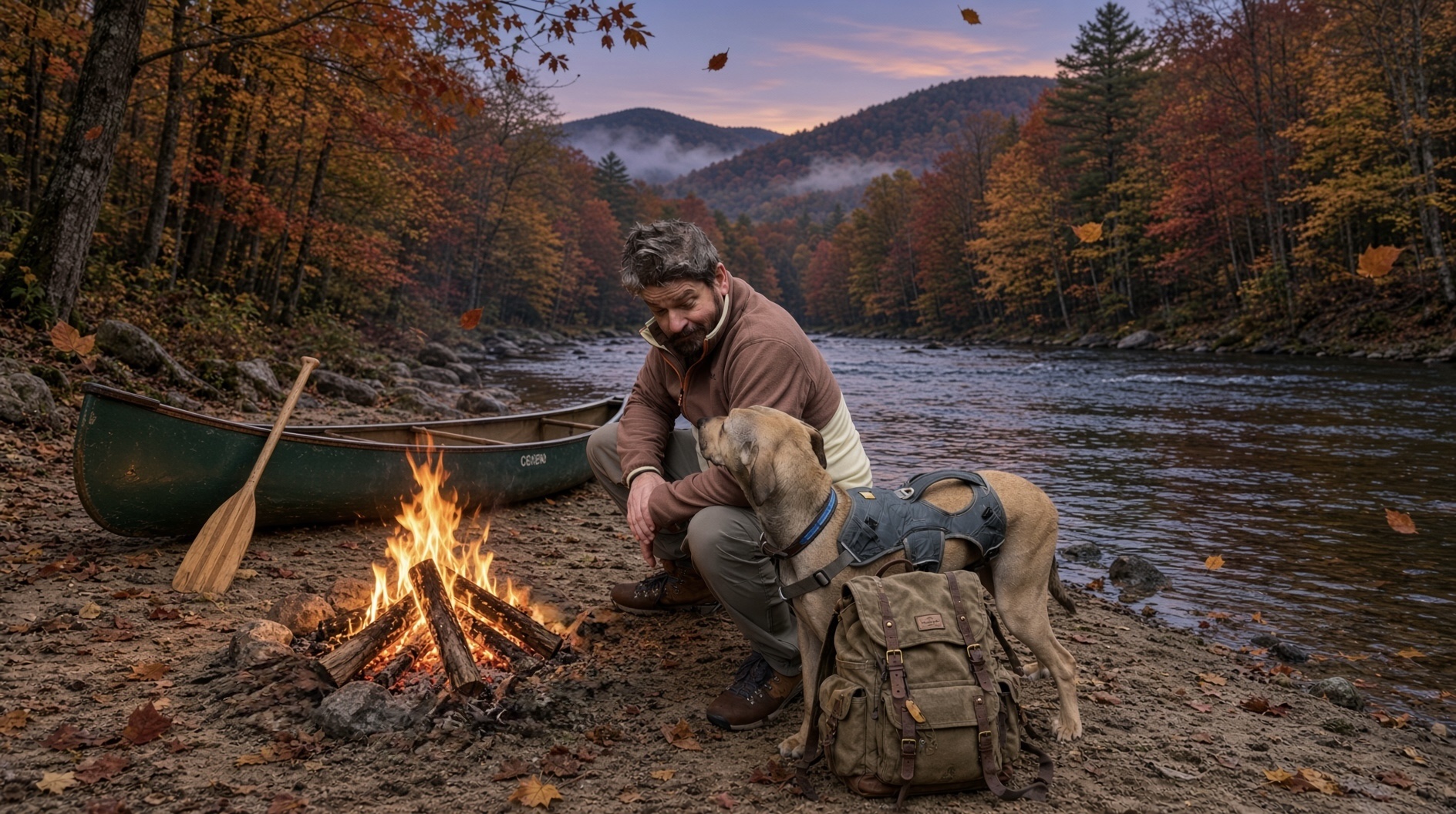
It'll be peak fall/autumn. Brilliant scenery. Frigid nights, warm or even hot days. Long days on water, evenings and nights finding places to create camps, and various activities there in evenings and mornings.
1: Complex, lots of interesting gear, tarp shelter, elaborate cooking, all-out comfort approach
2. Simplicity, bare bones, traveling as light as possible, making do with little.