

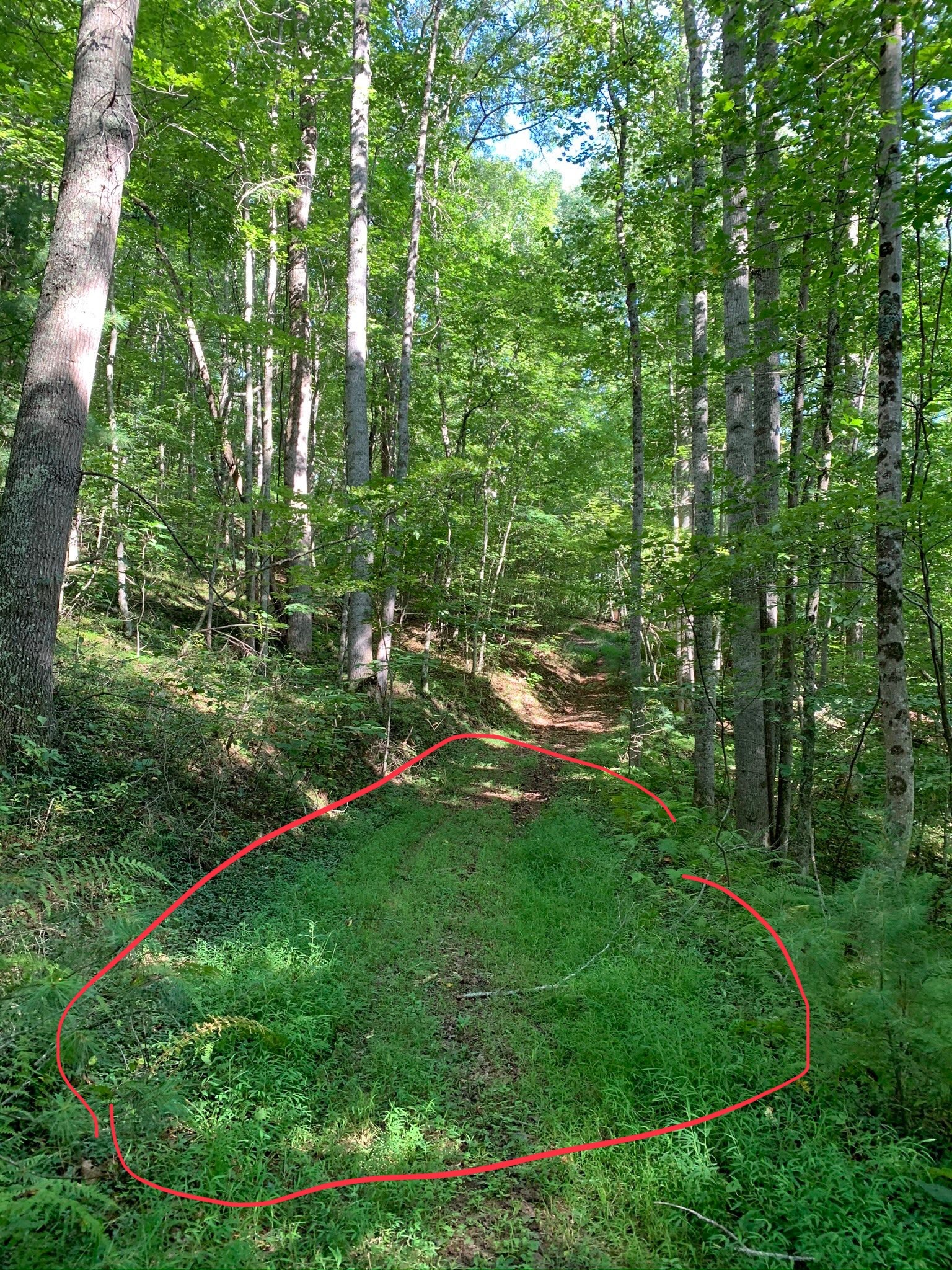
This kind of stuff right here is where you’re most likely to pick up tick mites when moving through the woods. Grasses are the worst. I avoid them at all cost. In fact, if I was hiking through here, I’d walk up into the woods on the left and avoid those grass weeds altogether.
Tick mites, as we call ‘em around here, are teeny tiny little ticks that are about the size of the tip of a pin, so small they look like little dots. They will absolutely cover your feet and legs by the hundreds, or even thousands. They bite and cling on - which you will not even feel until later when you get into camp and start itching. Even after scraping them off your feet, the bites will drive a man (or woman) absolutely mad for a good week after.
…the myth, the legend.
#AppalachianLegend #AuntRuby #BackwoodsBars
#ThePracticalWoodsman #AppalachianCampfireStories
WARNING: This is a brief video of two people dying. The wife thought she was taking a picture of the event, but it was actually a video.
I have been in these intimate, private circumstances many times before with my own brain.


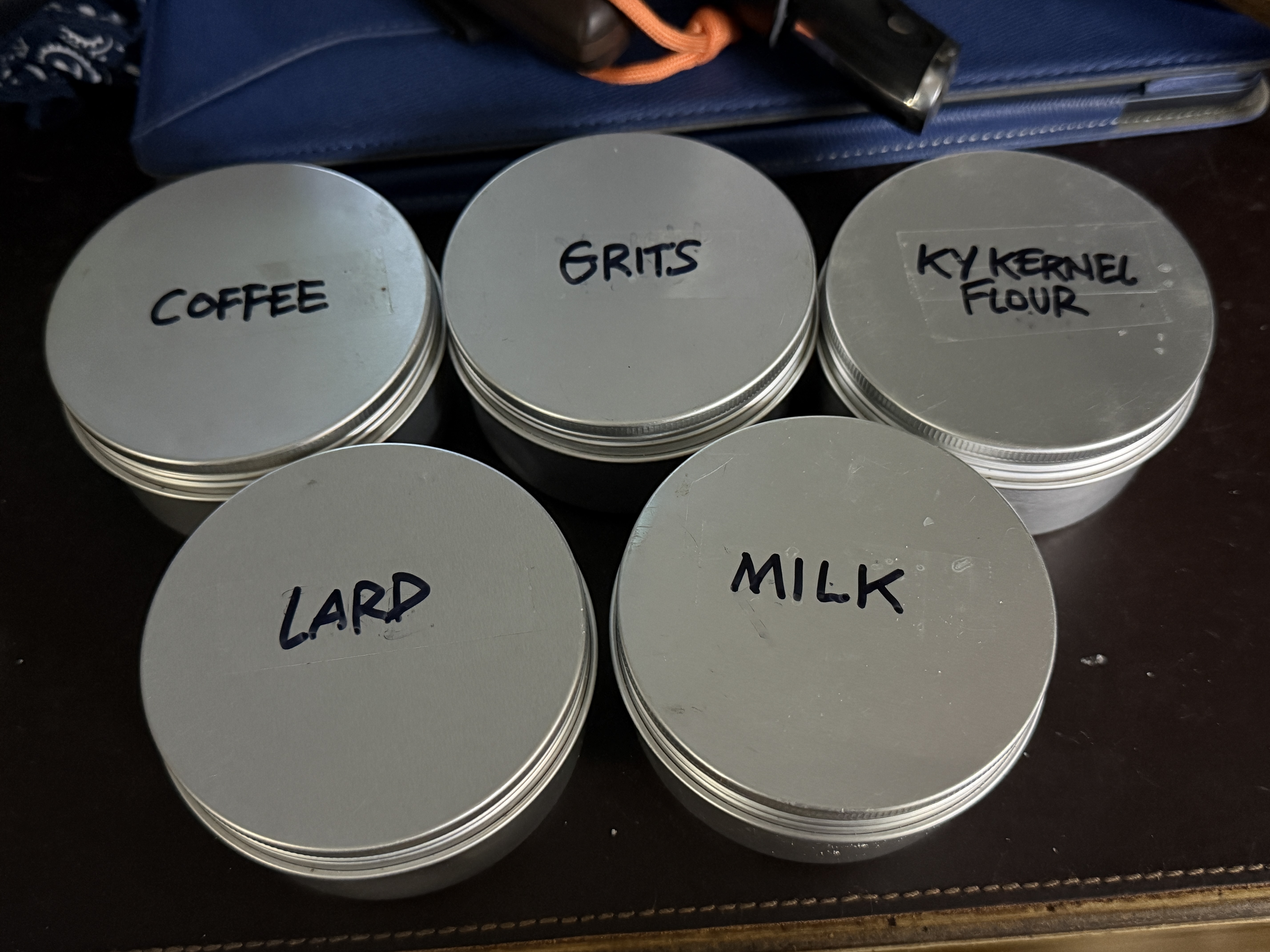
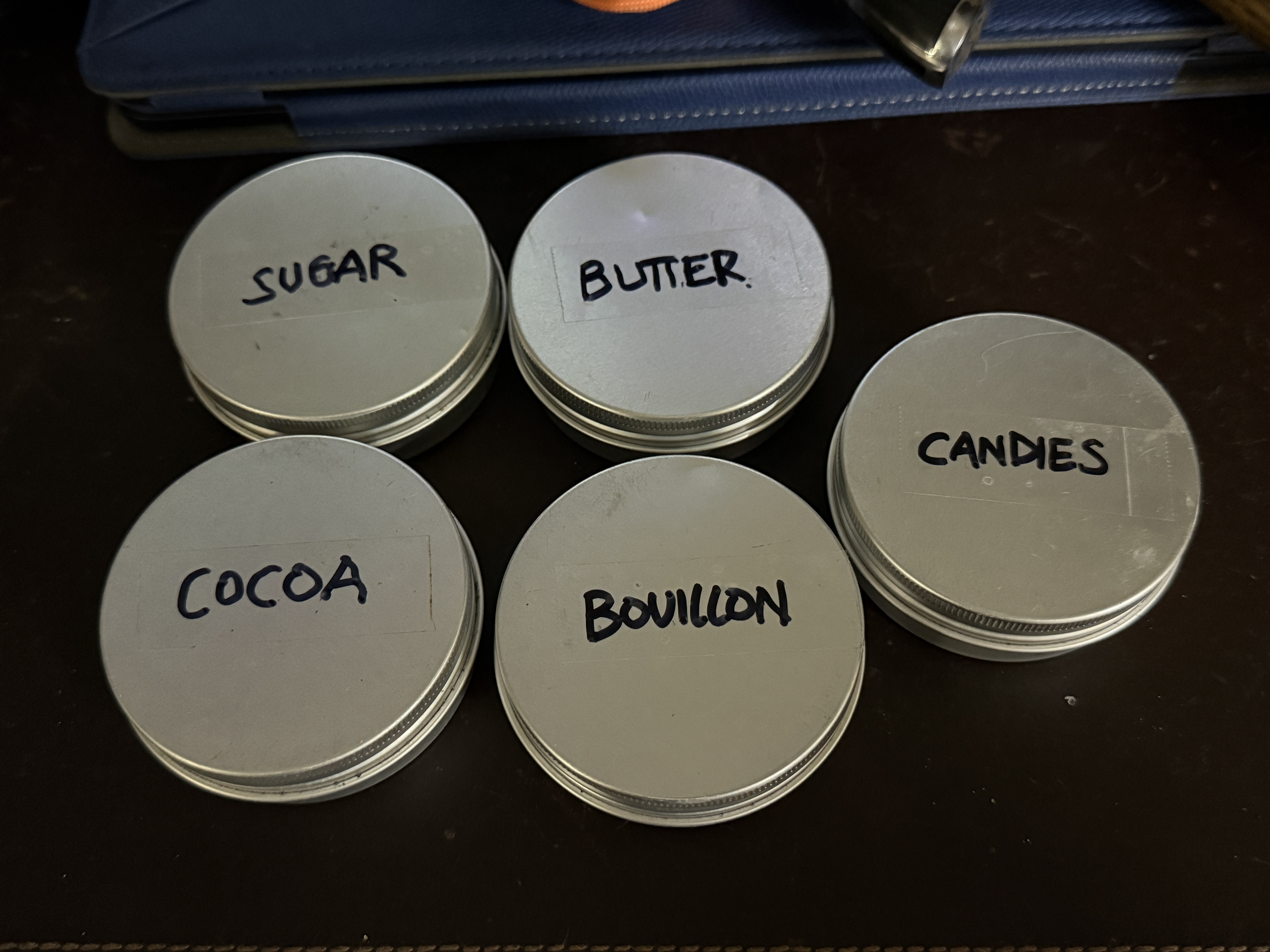
Nothin’ is better than round, uniform tins for hauling certain things. I’m really fond of them because they stack neatly and can save quite a bit on space. I get them off Amazon in two different sizes at a low price - a small, snuff-size can, and a larger can.
The only real drawback about them is that they can get beat up fairly easily, because they’re made out of really light aluminum. But for their low cost, I reckon it’s no big deal, since they’re easy to replace.