

Folks, for the past year I’ve had plans for an epic excursion into the backcountry for the week of Thanksgiving here in the US. It was something I’ve really been looking forward to all year long.
The day before I was to head out, I got hit HARD by the flu. I’m still dealing with it now as I write this on the third or fourth day. Healthy all year long all the way up until a single day before my excursion, it boggles the mind.
Naturally, I was looking forward to sharing that adventure with everybody, and the wilderness area where I planned to go is a really special, unknown area to most people, with waterfalls, interesting rock formations, and thick forests.
The only comfort from this is that I got sick before I went into the backcountry and not during my time in the backcountry. I’ve been thinking all week of how miserable that would be and asking myself how I would deal with a situation like that. Am I prepared for that possibility, or are there weaknesses in my preparedness there? I’ll tell you this: When you have a 102°F (39°C) fever at home and you can’t get warm even with the wood stove blazing, it gives you an idea of how much worse that experience could be out in the woods in the wintertime with only your sleep system and a campfire. Add on that the idea that work around camp can’t be put on hold if a person is to survive such a thing. So no matter how weak and miserable you’re feeling, you still have to be able to keep fuel on the fire, cover distance whenever possible to get back to civilization, and so forth. All of these expenditures of energy not only delay the body’s ability to recover, but can in fact make an illness go from bad to much, much worse very quickly.
So what to do? How to handle such a situation? What things should a person always have on hand in the case of such a scenario?
Even though I’m really disappointed about my plans getting ruined this week, maybe something good will come out of it. I think this would make an exceptional topic to discuss for The Practical Woodsman podcast.

…the myth, the legend.
#AppalachianLegend #AuntRuby #BackwoodsBars
#ThePracticalWoodsman #AppalachianCampfireStories
WARNING: This is a brief video of two people dying. The wife thought she was taking a picture of the event, but it was actually a video.
I have been in these intimate, private circumstances many times before with my own brain.
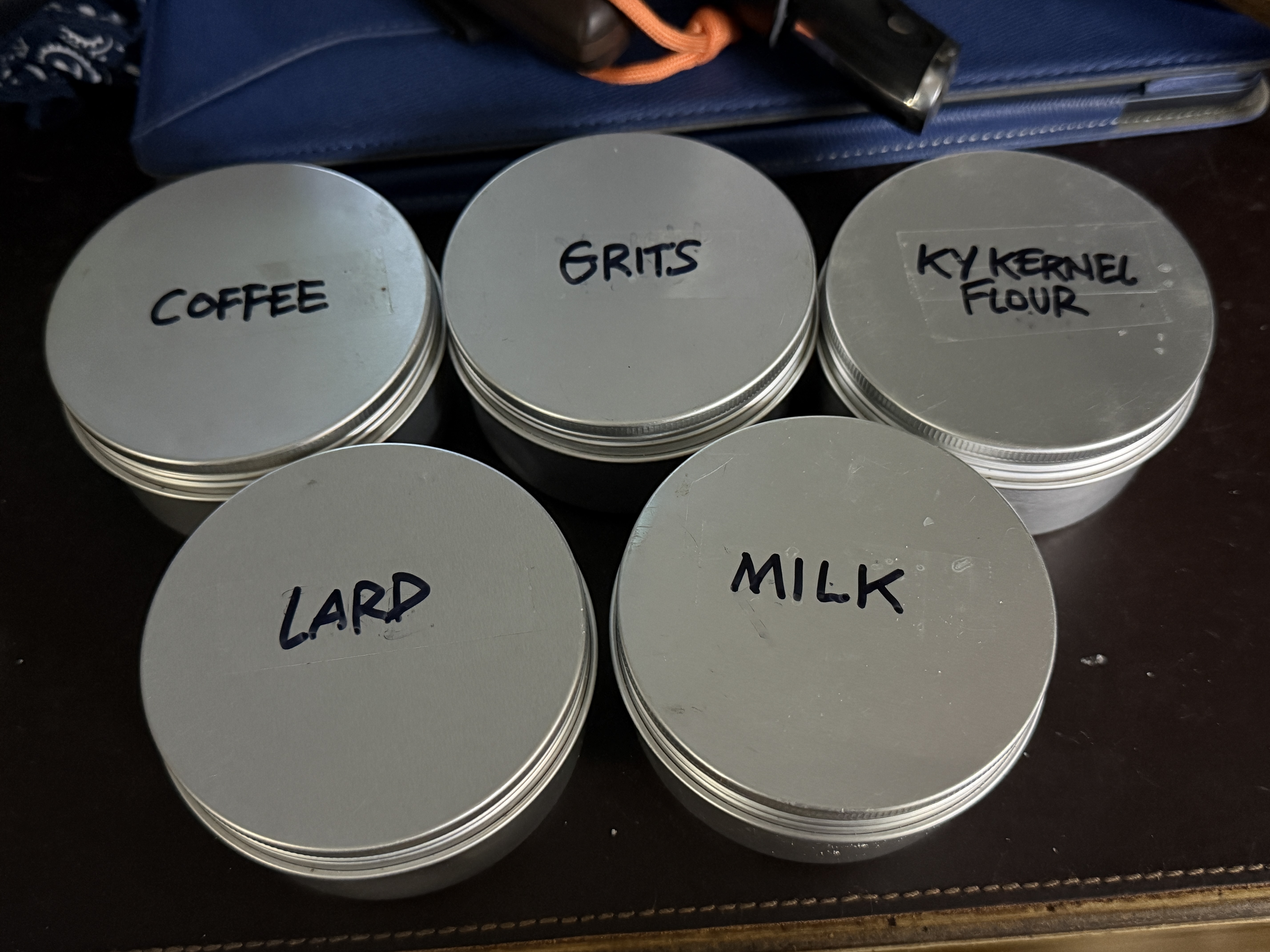
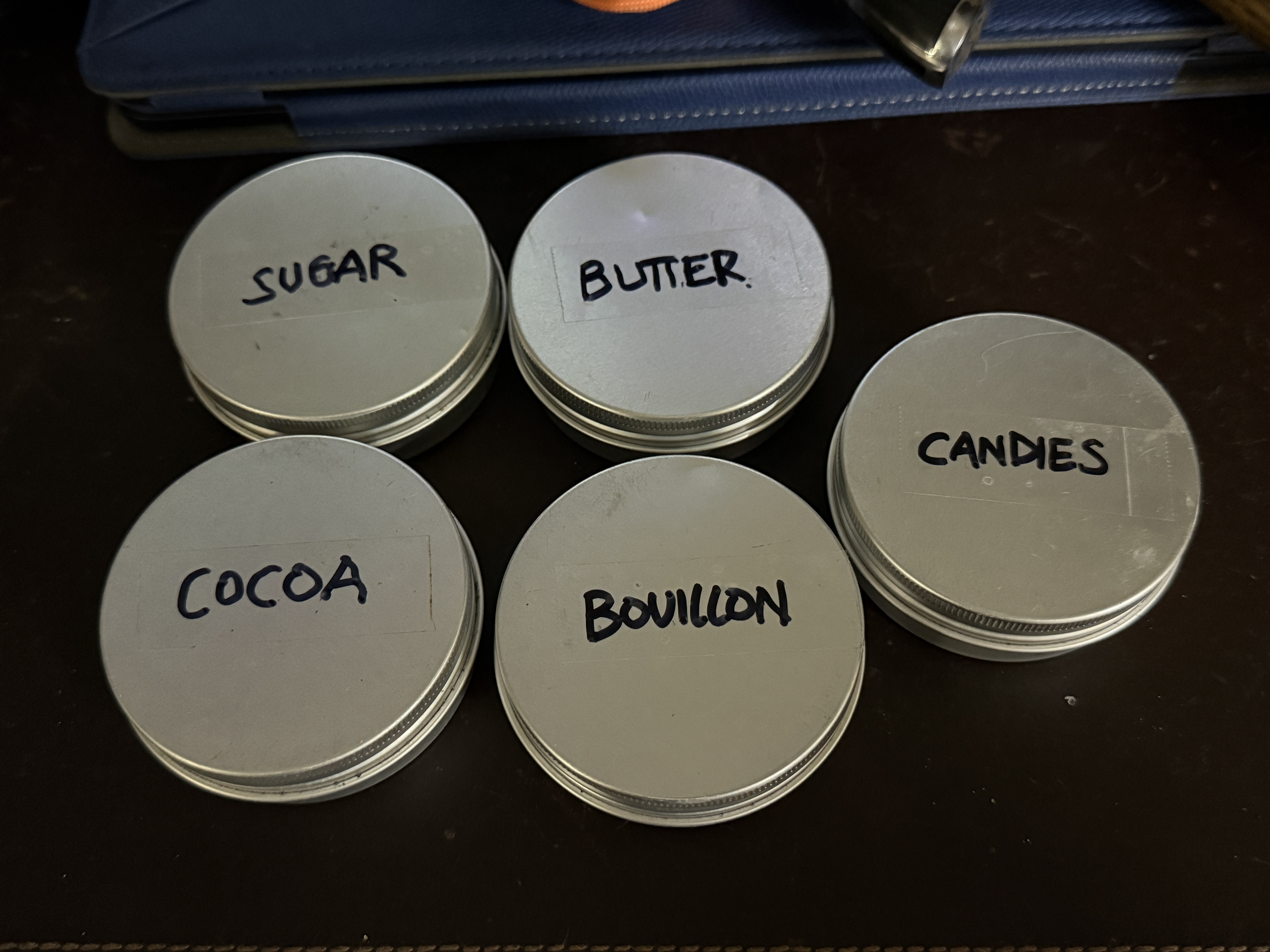
Nothin’ is better than round, uniform tins for hauling certain things. I’m really fond of them because they stack neatly and can save quite a bit on space. I get them off Amazon in two different sizes at a low price - a small, snuff-size can, and a larger can.
The only real drawback about them is that they can get beat up fairly easily, because they’re made out of really light aluminum. But for their low cost, I reckon it’s no big deal, since they’re easy to replace.